Moving to Saudi Arabia? 10 Things I Learned in My First Year in Riyadh
10 Things I Learned When I First Moved to Riyadh, Saudi Arabia
When my husband and I first talked about moving to Riyadh from Abu Dhabi, I wasn’t fully convinced.
A part of me felt genuinely sad to leave Abu Dhabi as it is a very beautiful coastal city.
After a year there, we had built a small circle of friends, and I really loved the life we were settling into.
I had never been to Riyadh before. My only experience with Saudi Arabia was Madinah, where my husband’s family lives, so I honestly didn’t know what to expect.
I had no idea how big of a change this move would be for us. What eventually convinced us was my husband’s career progression.
When we looked at how high the cost of living in Abu Dhabi was, and how we could potentially have a better lifestyle at almost half the cost, the decision started to make more sense.
So we accepted the offer and moved to Riyadh the following year.
Now, I’m about to complete my first year here and this is what I can share from my own experience.
My perspective may not be the same as expats who have lived here for a decade or more, but if you’re considering a move to Saudi Arabia, especially Riyadh, I hope this gives you a fresher perspective.
This is the kind of guide I wish I had read before moving so I could prep myself.
1. Dress code for women
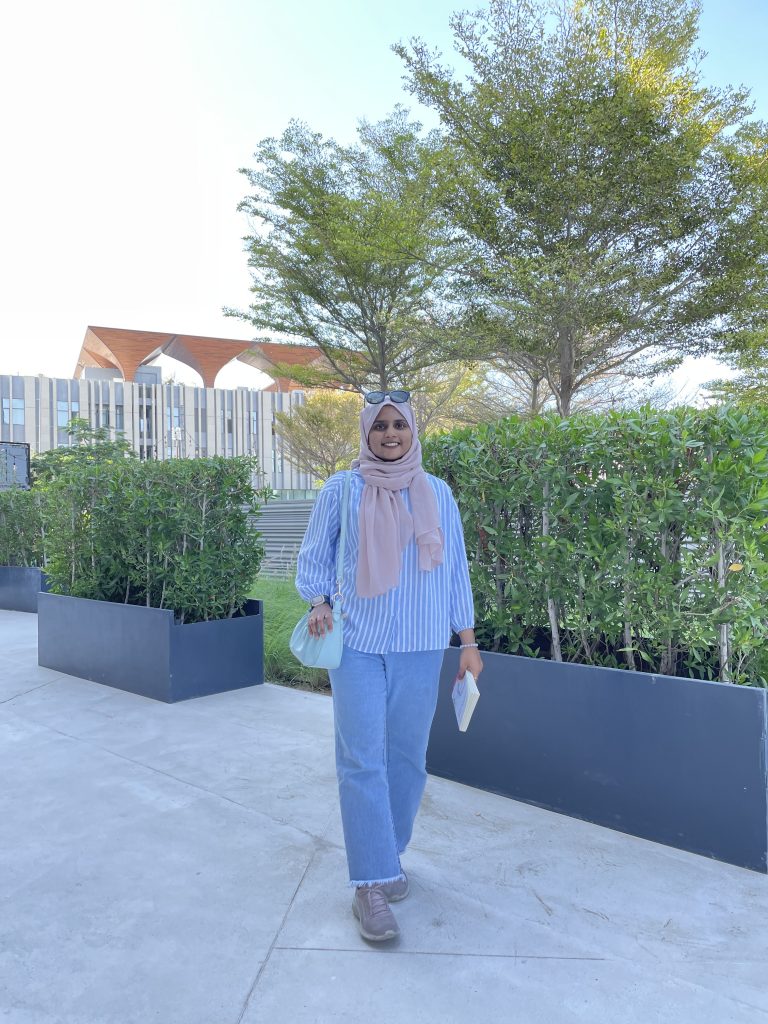
Even though I’m Muslim-born and have been a hijabi since I was a teenager, I felt surprisingly awkward when I first landed in Riyadh.
You would think I’d fit right in, but I found myself constantly second-guessing my usual outfit of jeans and a blouse.
Everywhere I looked, I saw a sea of black abayas and niqabs. It immediately made me self-conscious: Was I underdressed? Was I breaking some unspoken rule?
I reached out to other expats from my home country for advice, but their answers were all over the place.
Some had fully adapted to the local style, while others hadn’t changed a thing.
It honestly felt like a quiet identity crisis as I was trying to figure out how to respect the new culture without completely losing who I was.
But as I started exploring the city more, I realized I had been overthinking it. I saw plenty of other Muslim women wearing exactly what I would wear back home.
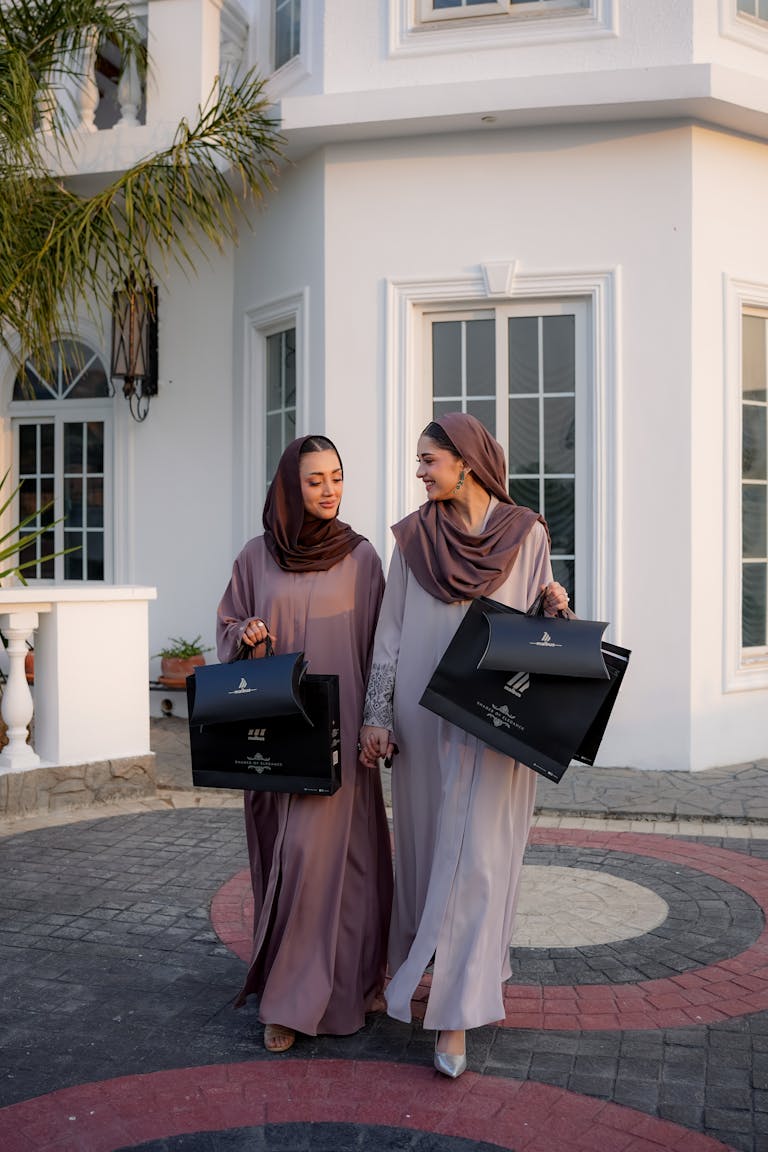
Eventually, I found my own rhythm. I discovered a newfound love for high-quality abayas, not because I had to wear them, but because I wanted to.
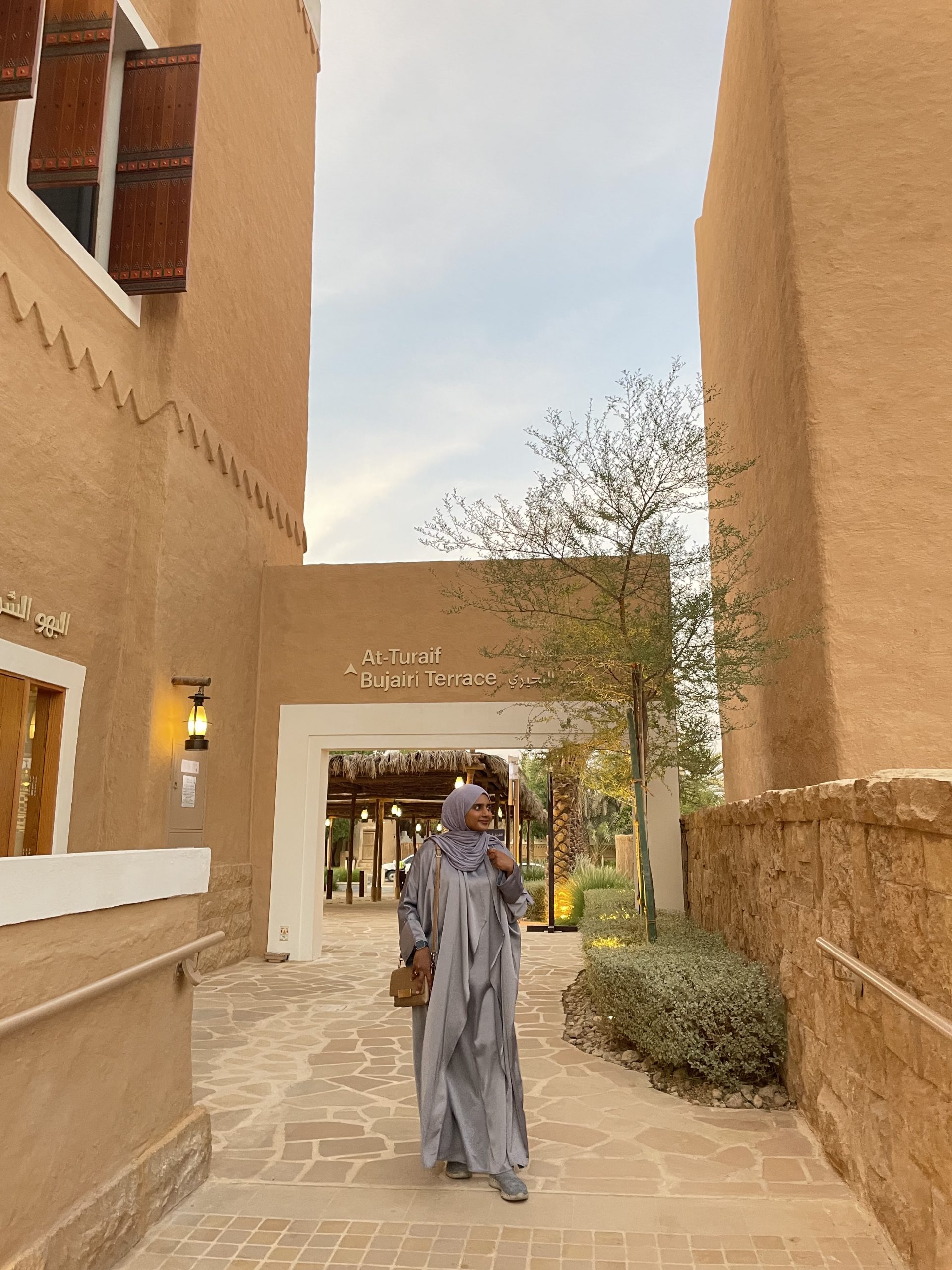
These days, I usually throw on a colorful, open abaya over my jeans. It feels modest, comfortable, and still feels like me.
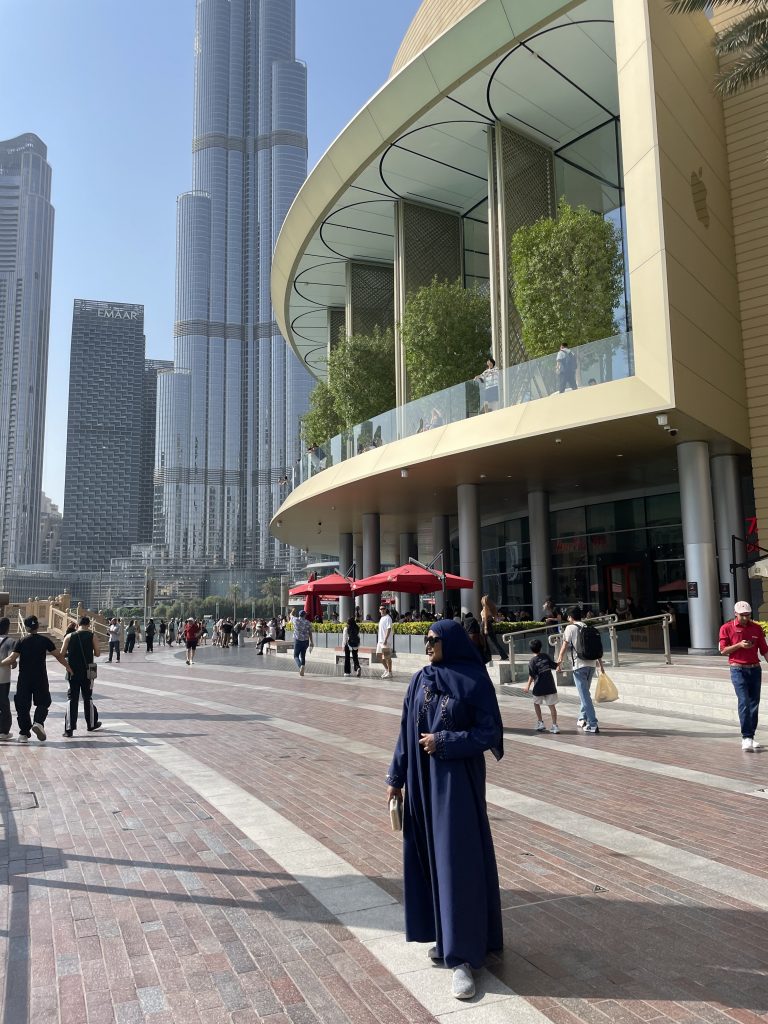
If you’re curious about what other expats wear, I see a lot of women in beautiful dresses under their abayas as well.
You basically can wear anything, just avoid showing your chest area and anything above the knee.
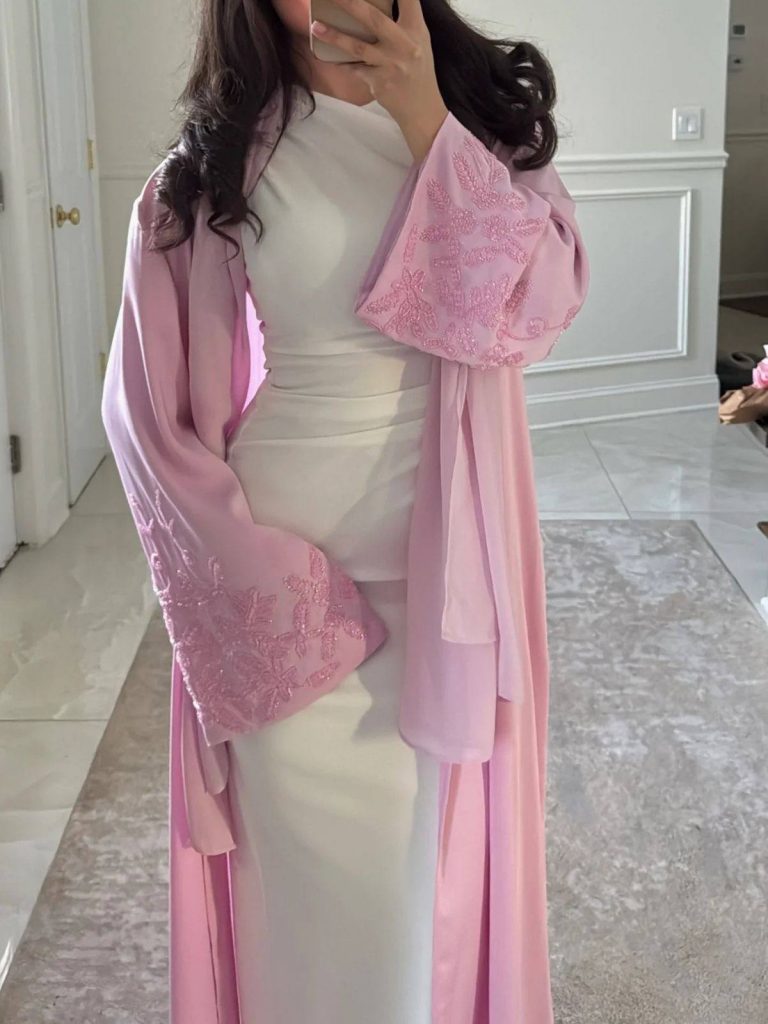
Abaya isn’t mandatory anymore, but I noticed some people still wear it.
It could be out of respect and I personally think abaya is the easiest “modesty hack.” Throw one on, and you instantly feel like an Arabian princess.
2. Alcohol ban & coffee culture
If you haven’t heard, Saudi Arabia is basically a dry country. Like…literally dry.
As a Muslim, I don’t drink, but I understand that for many people, alcohol plays a big role in social life.
In Saudi, there’s a strict ban on alcohol. Even where it’s permitted, it’s limited to diplomats only.
At first, a lot of non-Muslim expats wonder how social life works here without bars or alcohol.
But interestingly, many of the expats I know have ended up embracing this alcohol-free lifestyle more easily than they expected.
So you might be wondering, how do people here have fun?
This might surprise you, but coffee is everything here.
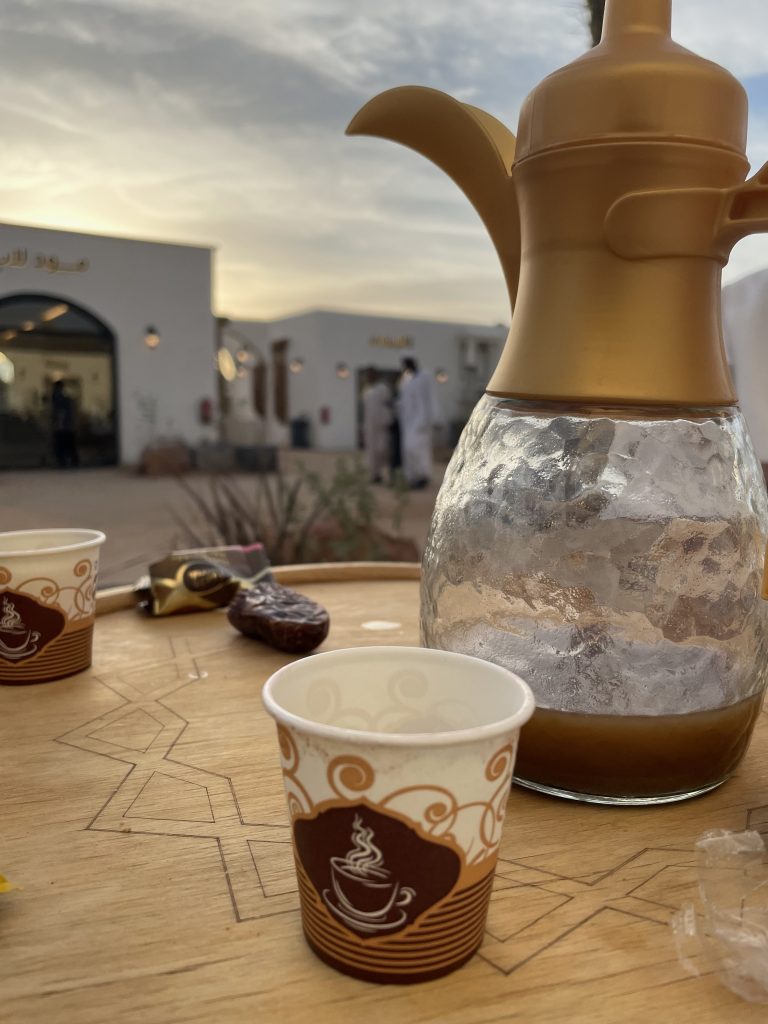
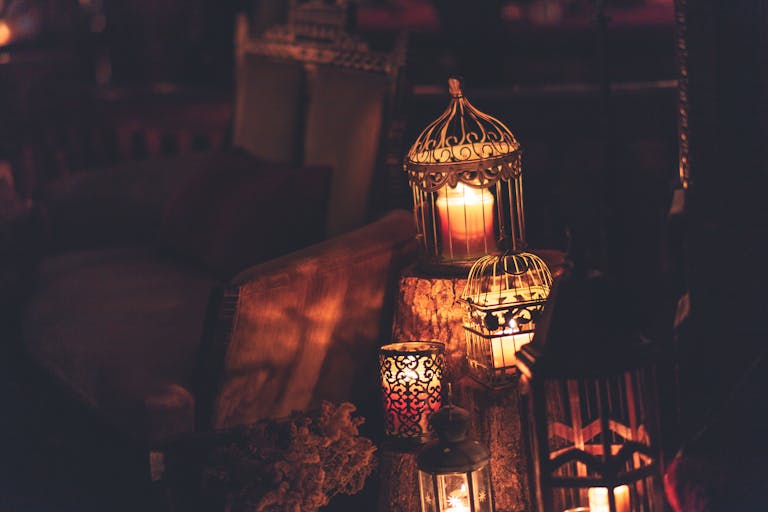
Because there are no bars, coffee shops become the main social spaces.
Business meetings, first dates, casual catch-ups, it all happens over a cup of coffee, either the traditional Saudi coffee, espresso-based drinks or the popular V60.
Give it a few months and you’ll start having opinions about beans, roast profiles, and brew methods. You will undoubtedly become a coffee snob 😛
If you don’t know where to start, check my article on the best coffee shops in Riyadh.
3. Working days & weekends
In Saudi Arabia, the work week runs from Sunday to Thursday, with Friday and Saturday as the weekend.
It does take a while to get used to this, especially if you’re coming from a place where Monday still feels like the official start of the week.
At first, I tried sticking to my usual work schedule, but I quickly realized it was limiting the little weekend time I had with my husband.
Our days off didn’t fully align, and it felt like we were always slightly out of sync.
So I adapted. Sunday is now a proper working day for me.
I even hired a VA who’s in the same time zone and location, which made our work collaboration so much easier.
That said, Sundays still feel a little strange. I usually try to squeeze in calls with my friends and family back home before the week fully picks up.
It’s my way of easing into the workweek while staying connected.
4. Privacy is everything here
When I first visited my husband’s family in Madinah, we went out for dinner at a restaurant.
I was genuinely surprised to see that they have dedicated booths for families, completely covered from the outside.
The waiter would politely ask permission before he comes in to take our order.
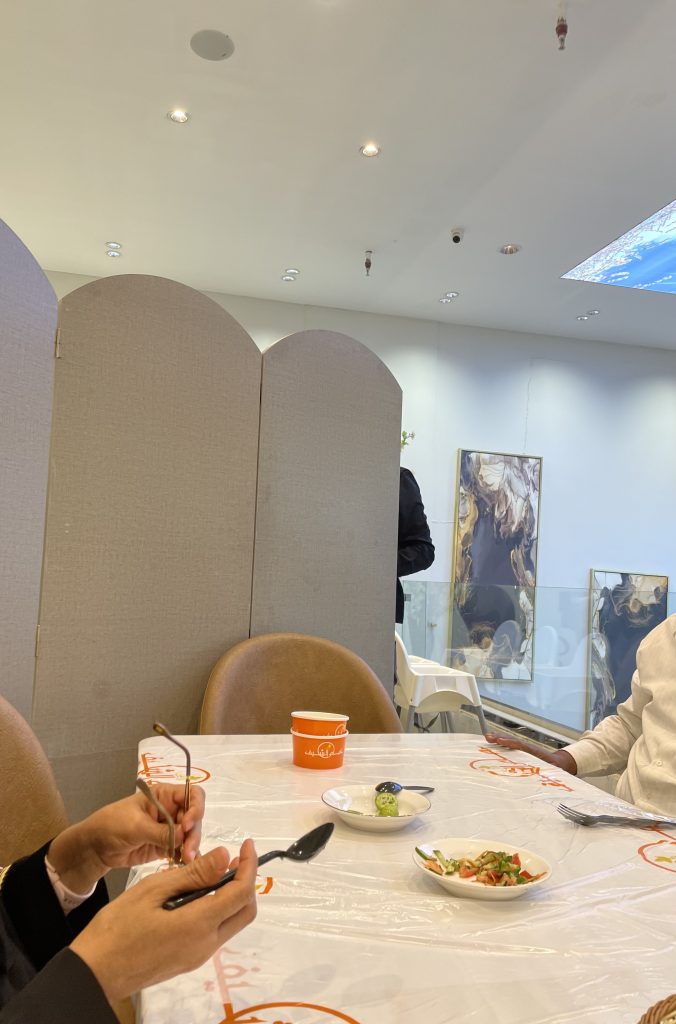
Honestly, I was so amazed. Back home, even in a Muslim-majority country, we don’t really have this kind of culture of privacy, especially for women.
I think this was one of the things that made me fall in love with Saudi Arabia.
But, not all restaurants or coffee shops in Riyadh have private family sections.
What I noticed, gender-segregated social settings are still very common in Saudi Arabia, and for expats who are new to the culture, this might be confusing at first.
But don’t worry, over time you’ll get used to this (just like I did!).
You will often see separate entrances or seating areas labeled ‘Singles’ and ‘Families.
Singles sections are exclusively for men. Meanwhile, the Family section is for women on their own, or mixed groups (families/couples).
Even in modern cafes where there are no physical dividers or signage, I’ve noticed an almost unspoken rule.
When a seating area is dominated by families (men and women together), single men usually sit in other areas out of respect.
This separation extends beyond just restaurants, you might also see separate waiting areas in banks, hospitals, or government offices.
For social gathering like weddings, it is mostly strictly gender-segregated.
Another thing that surprised me when I first arrived was the way many older homes are designed.
The windows are often smaller or positioned differently to maintain privacy from the outside.
You might not notice this if you live in a compound or a modern apartment, but if you stay in an old-designed villa like I do, you’ll definitely see it.
5. Break for prayer times
During prayer times, shops often take a short break or close for 15–30 minutes.
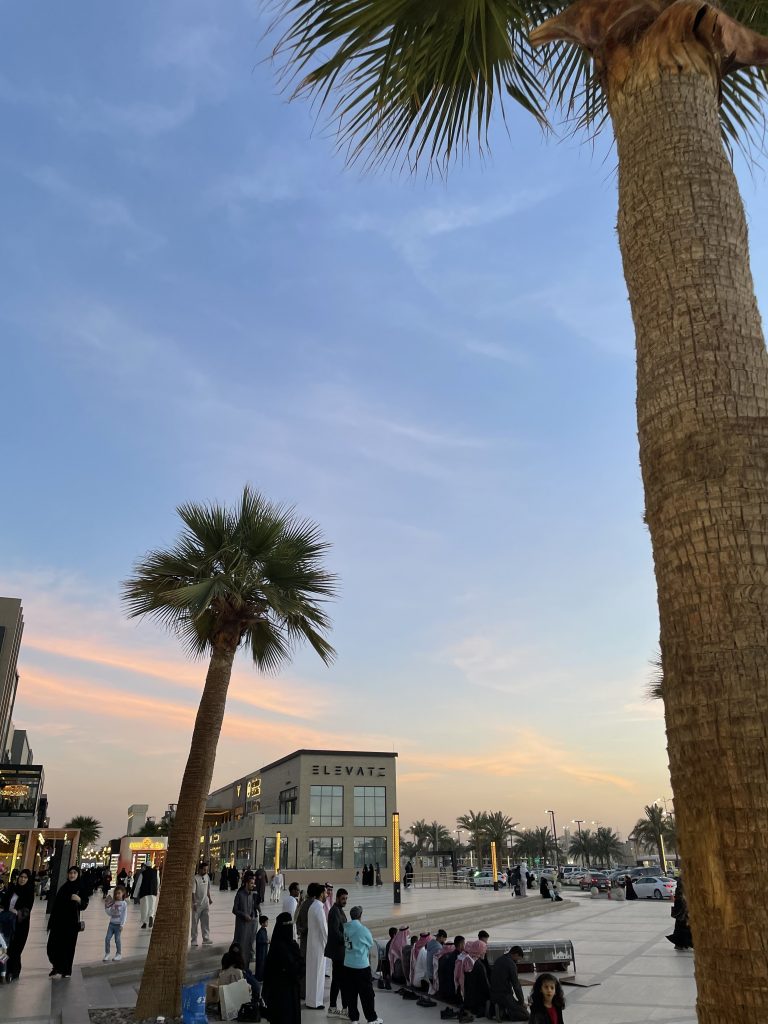
From what I understood, there used to be a law requiring this.
But as of 2025, shops are no longer obligated to close, so you can still shop if needed.
There are five prayer times each day for Muslims, and the exact timing depends on sunrise and sunset. In winter, the last prayer (Isha’) can be as early as 6:30 pm.
I use an app called Huda to check local prayer times, it’s super useful for planning your day and getting around smoothly.
I shared the must-have apps to install for expats in my other article.
6. Your iqama is your lifeline
If there is one word you will hear every day, it’s Iqama. This is your Resident ID card, and you basically cannot live here without it.
Saudi Arabia doesn’t offer permanent residency or citizenship for most expats. Instead, your right to live here is 100% tied to your employment, unless you have the Premium Residency Visa.
Once you are employed, your company acts as your Sponsor. They are responsible for applying for your Iqama, renewing it every year, and paying the government fees.
This means your relationship with your employer is the most critical relationship you will have in the country.
Without a valid Iqama, you cannot rent a house, open a bank account, or get a SIM card. Your bank account will literally freeze the day your ID expires.
Job stability is very very important if you want to move to Saudi Arabia.
If you join a small, unstable startup that forgets to renew your Iqama or delays your salary, your life becomes incredibly difficult.
You could find yourself stuck unable to access your own money or even leave the country easily.
If you have the choice, prioritize working for a large, established company or a government entity. It’s way more stable and secure especially for expats.
7. There’s no income tax, but there’s a VAT
The good news is, there’s no income tax in Saudi Arabia.
But there’s a 15% VAT on pretty much everything you buy including your children’s school fees.
If your dinner meal costs 100 SAR, that’s actually 115 SAR with tax. So don’t forget to factor this into your budget.
For me, one of the trickiest things has been getting beauty products. They can cost double or even triple what I normally pay back home.
In Southeast Asia, you can grab affordable, high-quality skincare from drugstores. But in the UAE and Saudi, drugstore skincare doesn’t necessarily mean cheap or affordable.
I ended up sticking to low-tier brands at Sephora, like The Inkey List or Byoma.
But recently I noticed Korean skincare is becoming popular in Saudi – still pricier, but my skin responds better to it compared to many Western brands.
I usually order mine through the Nahdi app, from one of the most popular pharmacy chains here.
8. Can women drive in Saudi Arabia?
The answer is yes, women can drive here and you’ll see plenty of female drivers on the road.
If you need to swap your foreign license or apply for Saudi driving license, I wrote an article on that topic.
Expats often find it very challenging to drive in Riyadh especially if they’re new to the city.
The first few months will test your patience (and your driving skills all over again), but eventually, you’ll get used to it and start driving like a local.
Some expats choose to hire drivers to get around and avoid the hassle, especially in the beginning.
9. Is Riyadh a safe city for women?
I never thought I’d say this, but growing up — even in a Muslim-majority country — I always heard that the Middle East wasn’t safe.
First of all, the Middle East is huge. There are many different countries here, each with its own culture and reality.
When I first set foot in the Gulf, as my flight from Singapore landed in Dubai, that’s when I realized this part of the world is actually incredibly safe for women.
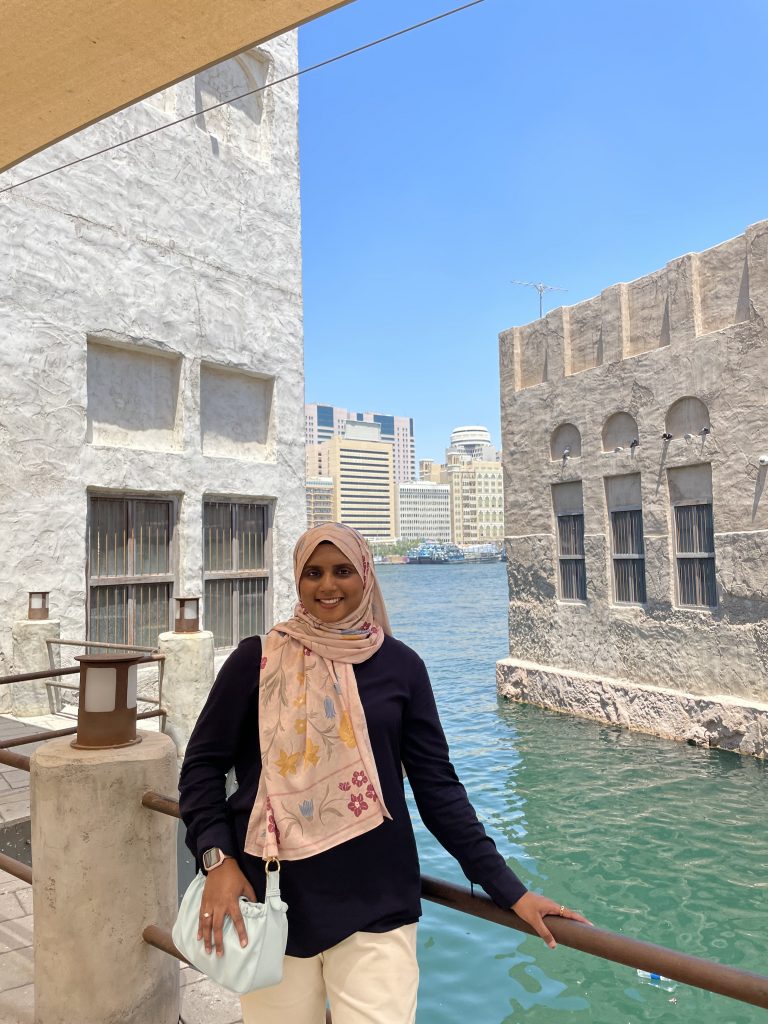
I had never felt that level of safety before, not even in my home country.
Later, I moved to Abu Dhabi, and the safety there is honestly world-class. And then I moved to Riyadh, and I felt the same way.
This is a country that genuinely respects and protects women, despite what you may have heard from Western media.
10. The weather in Riyadh is extreme
Summer here is brutal, the temperatures can hit 50°C. And in winter, it can drop all the way to 0°C.
Life honestly feels like two completely different worlds between the two seasons.
This drastic change will also affect your utility bills, I shared my experience dealing with summer vs. winter electricity costs as a first-timer in Riyadh in my other article.
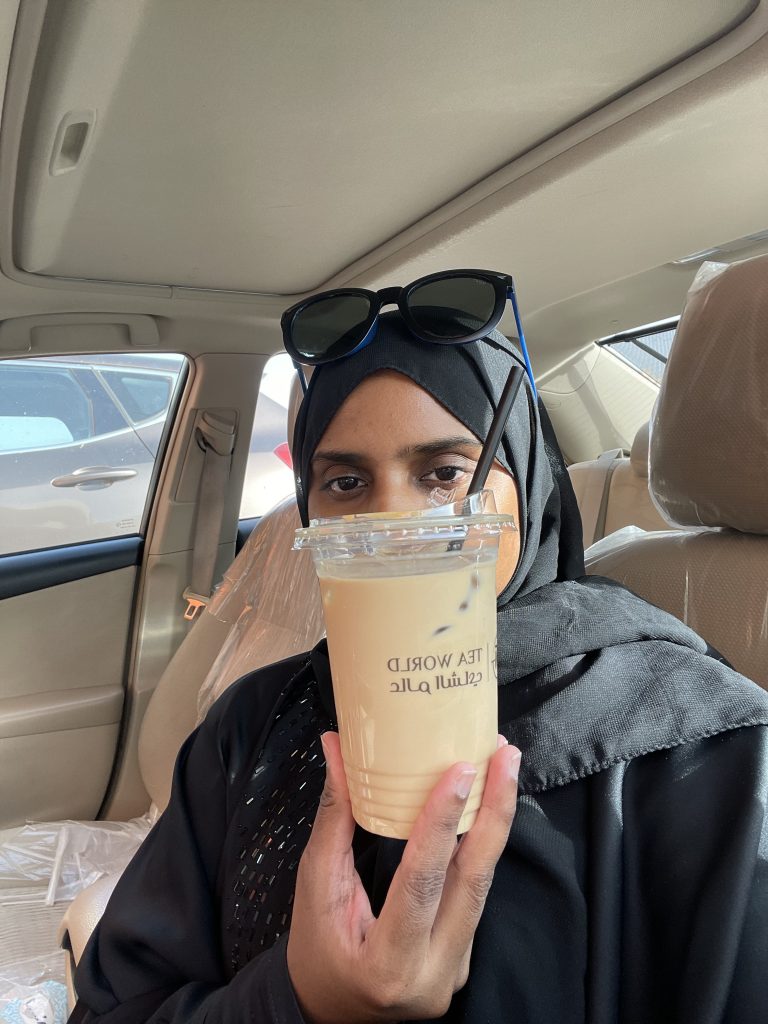
In summer, you get grumpier, easily irritated, and the thought of hot drinks feels impossible.
I basically survive on iced lattes for my morning pick-me-up.
But once winter arrives, it’s like the whole city transforms.
You’d never believe that just a few months earlier everyone was melting in the heat as now everyone is bundled up in sweaters, jackets, and gloves.
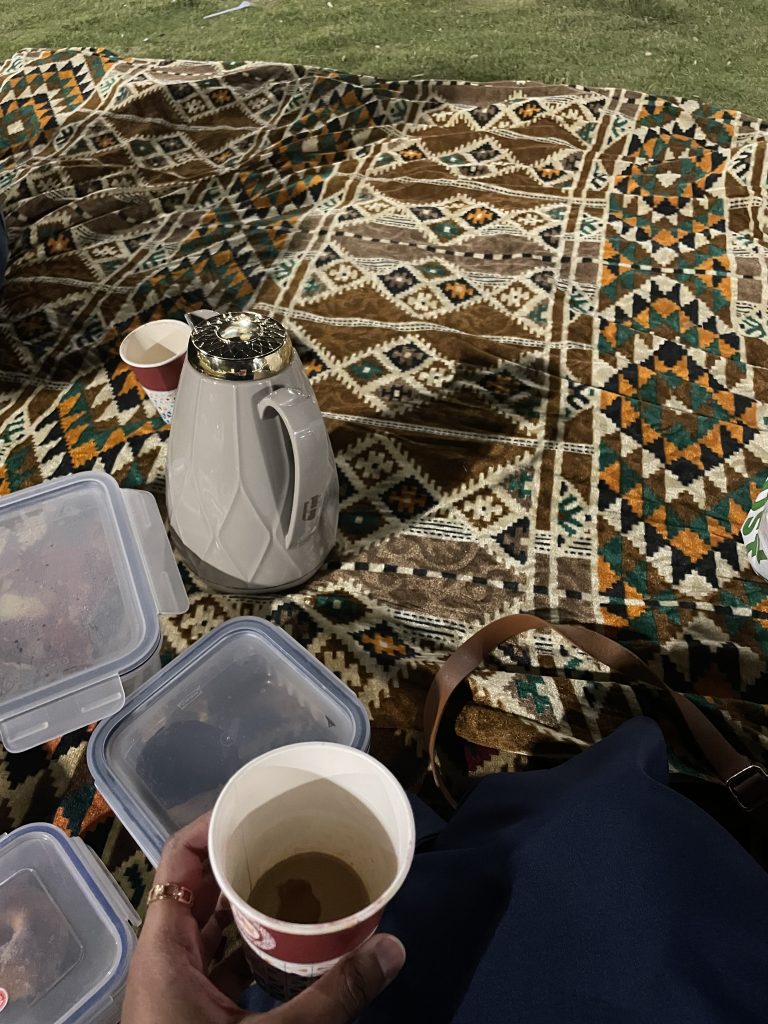
It almost feels like a cozy winter holiday. And don’t be surprised if you start seeing families having picnics everywhere, even by the roadside.
As soon as the temperature drops, outdoor picnics become a nightly tradition.
What I really feel after my first year in Riyadh
Remember how I said I was genuinely sad to leave Abu Dhabi? If I could go back to that moment, I would tell myself to just take a deep breath.
I won’t sugarcoat it, moving here was a huge leap of faith, and the first few months were a rollercoaster.
Riyadh is not Abu Dhabi, and it’s definitely not Southeast Asia. Adjusting takes real effort.
There will be days you feel frustrated or completely out of place.
You will miss the rain. You will miss the freedom of walking everywhere (since the city isn’t exactly built for pedestrians), and trust me, you will definitely miss cheap drugstore skincare!
But somewhere between the late-night coffees and the quiet privacy of family life here, I found a new version of myself that I really like.
My first year wasn’t just about learning where to buy groceries or how to survive the traffic; it was about learning to be comfortable with change.
Once I stopped comparing my life here to what I had before, the city started opening up to me.
There are moments now where I’m wearing my abaya, drinking the best coffee of my life, and I genuinely feel like an Arabian princess.
Living here demands patience, but it rewards you with a lifestyle that is peaceful, private, and surprisingly warm.
If you are currently packing your bags or just considering the move, my advice is simple: come with an open mind.
Give yourself time to adjust, find your favorite coffee spot, and know that the awkwardness eventually passes.
You might just find yourself falling in love with the city, just like I did.
Are you planning a move to Saudi Arabia soon, or have you just arrived?
If you have any questions or worries that I didn’t cover, drop a comment below, I’d love to help you navigate this exciting new chapter!