Cost of Living in Riyadh for Expats: 2025 Guide
If you are wondering how much is the cost of living in Riyadh, this article will break down how much life costs in the capital city of Saudi Arabia for expats.
I am a new expat who has been living in Riyadh for a year and I’m gonna share my insights on what I actually experience, and how much life costs for me here.
Cost of Living Breakdown for Expats in Riyadh
Cost of Housing in Riyadh
How much does housing cost in Riyadh? Most expats moving to the city choose to rent their accommodation. However, rental prices in Riyadh are currently quite high and will likely consume a significant portion of your income. Your total cost will ultimately depend on one major decision: whether you prefer to live inside or outside a compound.
Living in the Compounds in Riyadh
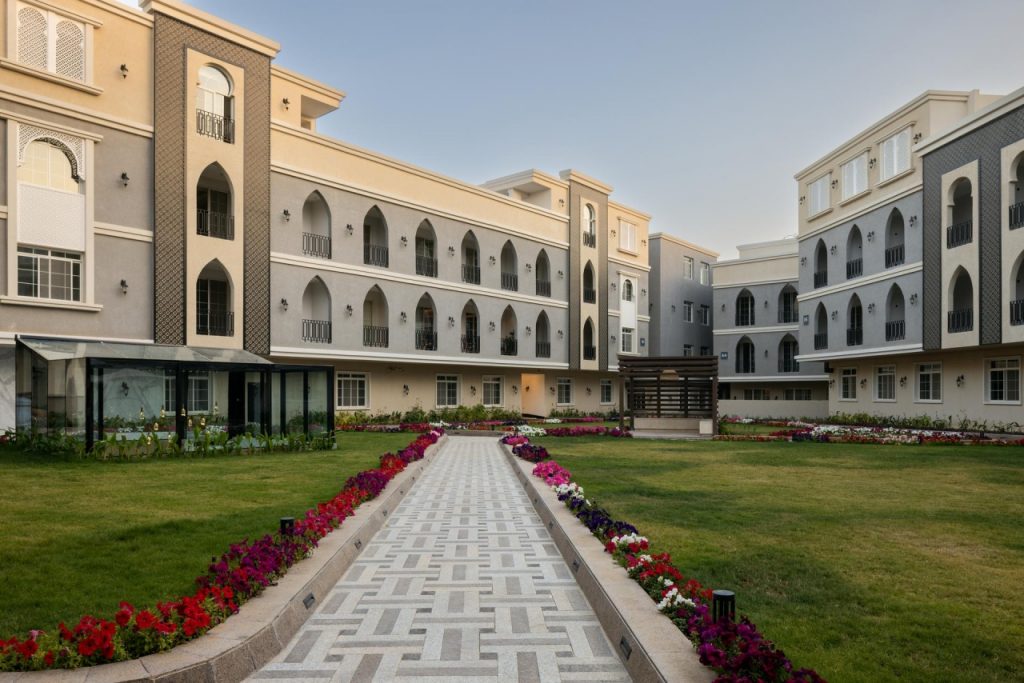
In Riyadh, “compounds” are gated residential neighborhoods designed to offer a “home away from home” experience, particularly for Western expats.
Within the compound walls, social norms are more flexible: dress codes are casual, mixed-gender lounging by the pool is standard, and the environments are often pet-friendly. Residents enjoy lush gardens, swimming pools, fitness centers, and a generally relaxed atmosphere.
While these communities primarily cater to Western expats, offering a familiar social setting for newcomers, they are increasingly becoming popular among Arab and Muslim families as well.
Essentially, compounds act as stress-free bubbles that help residents adjust to life in Saudi Arabia.
However, this lifestyle comes at a high price, as rental costs are significantly higher than living in a standard apartment outside a compound.
- 2-Bedroom Villa/Apartment: $25,000 – $45,000 per year (SAR 93,000 – 168,000).
- 3-Bedroom Villa (Family): $50,000 – $80,000+ per year (SAR 187,000 – 300,000).
Rent Payment in Saudi Arabia
In your home country, you might pay rent monthly.
But in Saudi Arabia, you will pay in one big check upfront for the entire year. Sometimes, it is split into 2 checks.
Tip: Never rent a compound unit without viewing them first. “Family-friendly” compounds are often quiet and full of kids, while others cater to younger professionals and have a much louder social scene.
You need to visit in person to check whether you like the environment and ensure the facilities aren’t outdated (because some compounds are very old and look different than what they advertised online).
Living in Villa or Apartment in Riyadh
If you rent an apartment in a regular building, you will get much more space for your money.
The downside is you might not have access to social hub, pool, and a community of expats like living inside a compound.
As a new expat, it may be challenging to adapt to a whole new culture and environment with no like-minded community around. This is also why a lot of new expats opt to live inside compound for their first year in Riyadh.
The rental price if you’re living outside compound is also different depending on where you live in Riyadh and what kind of accommodation you rent.
The modern apartment usually costs more than renting a villa-style apartment. This is how a “villa” looks like in Riyadh:
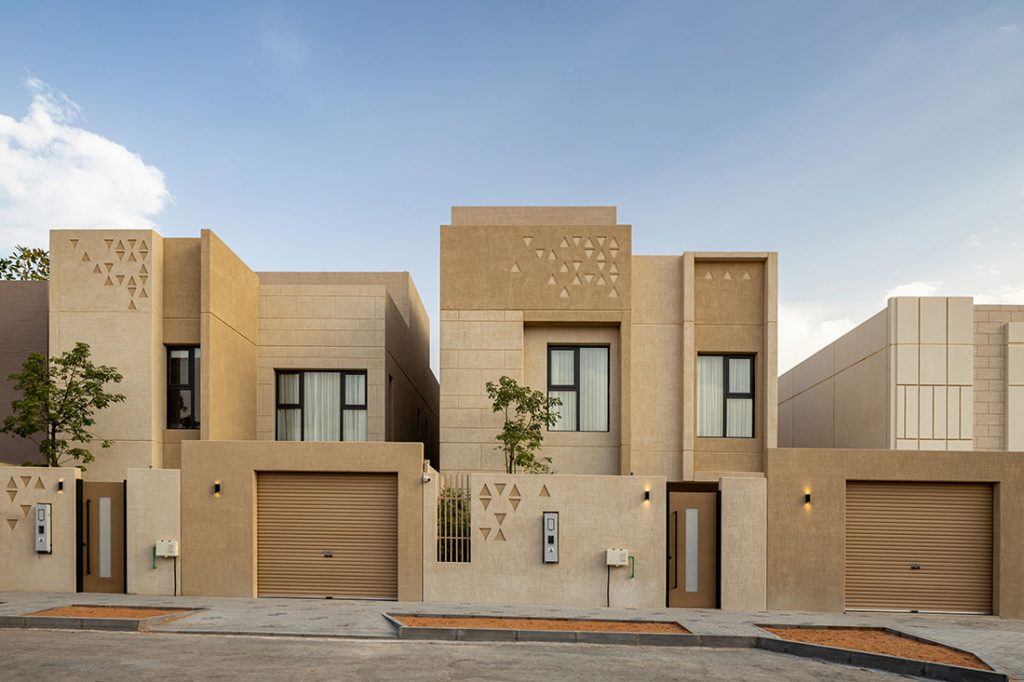
2-Bedroom “Floor” (Traditional): $12,000 – $18,000 per year (SAR 45,000 – 67,000).
This is usually the entire second floor of a large family villa. It is spacious but often older.
2-Bedroom “Modern” Apartment: $16,000 – $30,000 per year (SAR 60,000 – 100,000).
Why the price jump?
New developments (like Al Majdiah buildings) offer open-plan kitchens, smart entry systems, and underground parking.
These are in high demand in trendy neighborhoods like Al Malqa or Hittin.
And if you’re renting an unfurnished apartment, bear in mind that…
In Riyadh, unfurnished often means an empty shell. You might walk in to find bare walls, no air conditioning units (split ACs), and no kitchen cabinets.
Budget Tip: If you rent an empty unit, set aside SAR 5,000 – 10,000 to buy essentials. (I wrote a detailed guide on how to furnish your Riyadh apartment on a budget using local hacks to save money here).
How to Find the Best Rental Deals in Riyadh
There are several popular real estate apps used in the Kingdom: Aqar, PropertyFinder, Bayut, and Wasalt.
However, do not depend on these listings alone. Online listing are sometimes outdated.
To get the better price (which is often 15-20% lower than online), you have to do it the old-school way (this is what my husband did):
- Drive the Neighborhoods: Pick a district you like and drive around looking for banners on buildings.
- Look for the Sign: You are looking for a white or yellow sign that says “للإيجار” (For Rent).
- Visit a Local Real Estate Office: Look for small offices with “Real Estate” signs in the specific neighborhood you want to live in. These brokers hold keys for local landlords that never make it to the internet, giving you access to exclusive inventory.
Personal Experience: My husband and I skipped the online markups. We found a large and new 2-bedroom apartment in Al Munsiyah, North-East Riyadh. It costs less than $10,600 (SAR 40,000) a year. If we had booked online, we would have paid 20% more.
Rental System in Saudi Arabia
One of the best changes in Saudi Arabia recently is the Ejar system. The government strictly regulates everything through the digital Ejar platform.
The system locks in your rental price and terms for the duration of your lease (standard is 1 year, but you can sign for longer).
This means a landlord cannot randomly show up mid-year and demand more money.
The system protects both parties. If the landlord refuses to fix a broken water tank, you have legal recourse through the platform.
Saudi Arabia announces rent freeze in Riyadh for five years
In late 2025, Saudi Arabia announced a five-year freeze on rent increases.
To simply put, if you’re living here, your landlord can’t suddenly hike up your rent during this time.
The rule covers both new and existing leases within the city, giving tenants some much-needed peace of mind and stability.
Every rental contract still needs to be registered on the Ejar platform, so both tenants and landlords have clear legal protection.
It’s all part of the government’s effort to make the rental market fairer, protect tenants’ rights, and give people confidence if they’re planning to stay in Riyadh for the long haul.
Groceries & Food in Riyadh: Is it Expensive?
If you’re wondering how much groceries and food cost in Riyadh, continue reading.
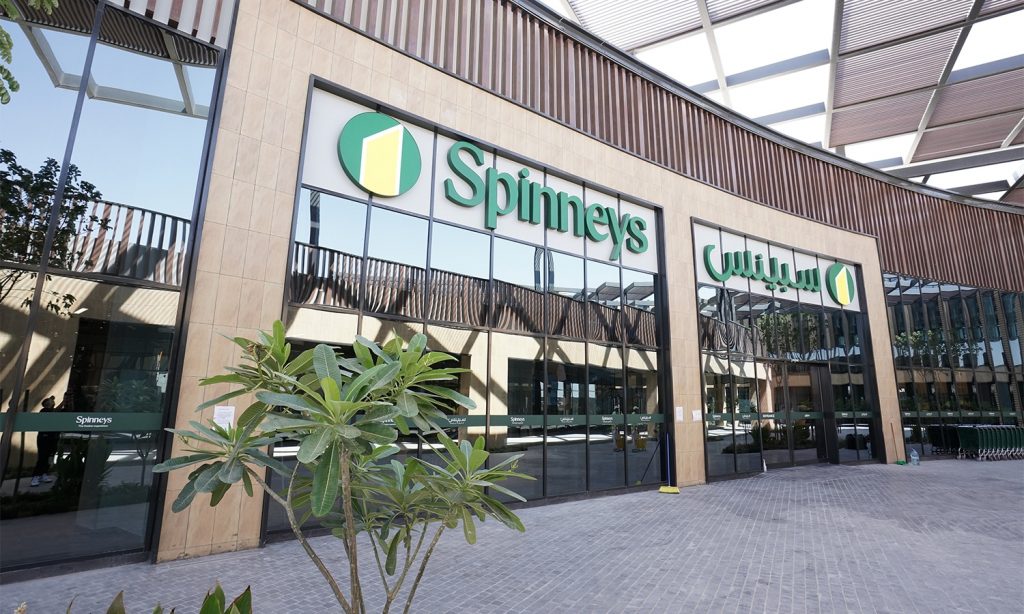
In Riyadh, if you shop exclusively at high-end supermarkets like Spinneys or Danube and fill your cart with imported items, your grocery bill will be high.
But, if you shop at local supermarket like Panda, Lulu Hypermarket, or Al Othaim, your grocery costs will be much cheaper.
How much grocery costs in Riyadh
- Single Person: $300 – $500 (SAR 1,100 – 1,900)
- Family of Four: $800 – $1500 (SAR 3,000 – 5,600)
My husband and I spend around 700 SAR ($186) a month on groceries, we mostly shop at Lulu Hypermarket and these days we’re mostly using the online grocery services like Keemart (a grocery service by the popular “Keeta” app).
We cook most of our meals at home using local produce rather than imported brands.
However, we don’t deprive ourselves, we allocate another 1,500 SAR ($400) per month specifically for dining out, takeaways, coffee and dessert.
This balance allows us to enjoy Riyadh’s amazing restaurants without blowing our grocery budget.

Grocery Prices in Riyadh
Here is what you can expect to pay for groceries in a standard Riyadh supermarket:
- Fresh Milk (1 Liter): $1.60 (SAR 6) — Local brands like Almarai or Nada are excellent.
- Sliced White Bread: $1.35 (SAR 5) — Note: Local “Samoli” bread (subs) costs only SAR 1 per bag.
- Fresh Chicken Breast (1kg): $9.00 – $10.50 (SAR 35 – 40) — Frozen chicken is significantly cheaper (SAR 20/kg).
- Eggs (Tray of 30): $5.00 – $6.50 (SAR 18 – 24).
- Rice (5kg bag): $10.50 (SAR 40).
- Cappuccino at a Café: $5.00 – $7.00 (SAR 10 – 26).
Utilities & Internet Bills in Riyadh
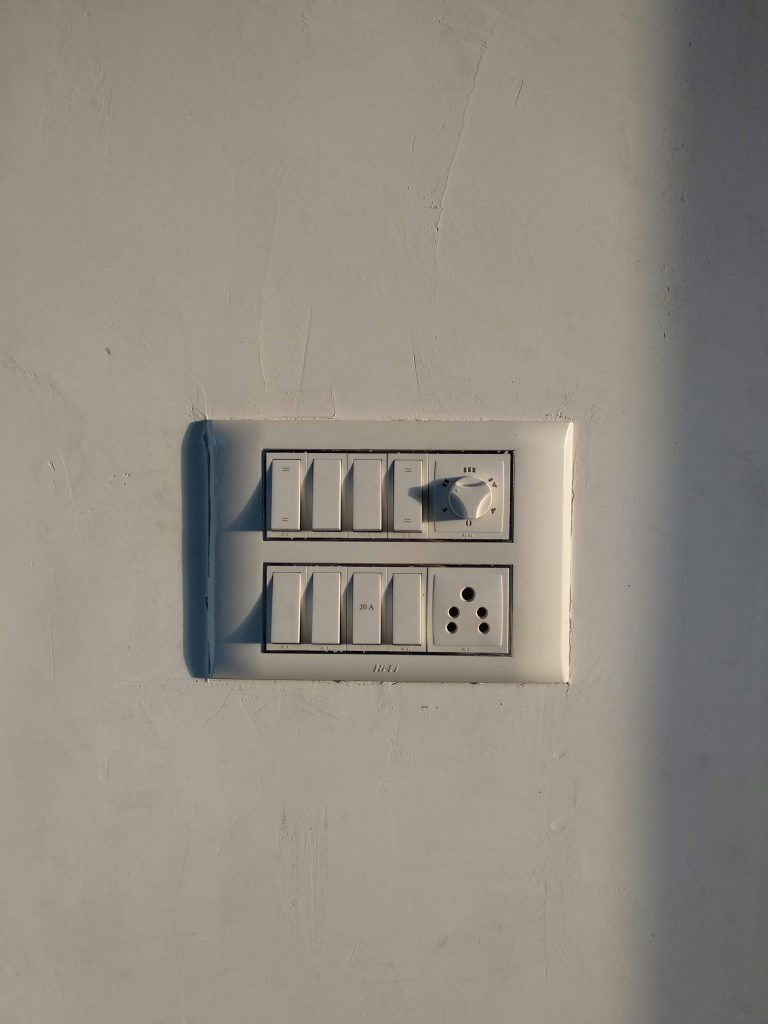
If you’re wondering how much will your electricity bill costs in Riyadh, it depends on the type of AC you have at home and which season we’re in.
Normally, in summer, everyone’s bill experience a major hike as the AC will be turned on for almost 24/7.
How much electricity bill costs in Riyadh
In winter (Nov – Feb), you may not spend as much. But if you’re using dual function AC that can be turned into a heater, you will still use them during winter.
In summer (May – Sept), AC units usually run 24/7 as it gets unbearably hot.
For 2 -bedroom apartment, you can expect the electricity bill to be around $80 – $150 (SAR 300 – 550) per month.
And if you’re living in a huge villa with multiple bedrooms, you can expect it to be around $250 – $500+ (SAR 900 – 2,000) per month. Villas are harder to cool, and bills can easily triple in peak summer (August).
I shared how much I paid for electricity during summer and winter and the major mistake we made that spiked our bill in my other article.
How much home internet costs in Riyadh
You have two main choices for home internet. Pricing is standard across the 3 big telecom providers: STC, Mobily, and Zain.
- Option A: Fiber Optic
- Best for: Remote workers, gamers, and families streaming 4K.
- Cost: $76 – $110 per month (SAR 287 – 402).
- Speed: 100 Mbps to 300 Mbps (Download).
- Note: Not every building has Fiber installed. You must check the metal plate on the outside wall of the building before renting.
- Option B: 5G Home Router
- Best for: Renters who move often or buildings without Fiber. You just buy the router, plug it into a wall socket, and get instant Wi-Fi from a cell tower.
- Cost: $75 – $107 per month (SAR 280 – 402).
- Speed: Variable (can be super fast, but slows down during peak evening hours).
How much mobile plans cost in Riyadh
Mobile data here is very fast but technically more expensive. Here’s an overview on what you might be paying when you landed in Riyadh:
For Tourists (Short Term)
- STC Sawa Visitor: ~SAR 70 for 23GB + Local Minutes (Validity: 2 weeks)
- Mobily Visitor 30: ~SAR 35 for 5GB (Validity: 14 days)
- Zain Visitor: ~SAR 40 for 6GB (Validity: 2 weeks).
For Residents (Monthly Prepaid)
- STC Sawa Like Plus: ~SAR 86/month for 15GB data + 15GB Socials + Minutes.
- Mobily Prepaid: ~SAR 115/month for 10GB + 40GB Socials + Minutes.
- Zain Shabab 79: ~SAR 79/month for 10GB + 10GB Socials + Minutes.
I compared the pros and cons of different telecom providers and which one I personally use in my other article.
Other Hidden Costs of Living in Riyadh
This is where your budget can break if you aren’t careful. While your salary might look huge on paper, if you overlook these fees, it might hurt your savings.
Expat Dependent Fee
As an expat living in Riyadh, you need to consider the dependent fees if you’re bringing family members with you. The Saudi government charges a monthly fee for every dependent (wife and children) under your sponsorship.
Cost: SAR 400 ($106) per dependent, per month.
If you have a wife and two kids (3 dependents), you will pay $318/month. You must pay it upfront for the year to renew their Iqamas (Residency IDs). That is $3,800+ (SAR 14,400) due in one lump sum every year.
Tips: When you’re accepting any job offer, don’t forget to ask if the company covers dependent fees too. Senior roles often do, but mid-level roles usually do not.
School Fees in Riyadh
If you have children, school fees will likely be your largest expense after housing in Riyadh.
In 2025/2026, Riyadh’s top-tier international schools are priced similarly to elite private schools in the UK or US.
However, prices vary wildly depending on the Tier of the school you choose:
- Tier 1 (Premium): Schools like AIS-R or BISR typically range from $26,000 – $32,000 (SAR 98,000 – 120,000) per child, per year.
- Tier 2 (Mid-Range): Excellent accredited options like Reigate Grammar or Al Faris can be found for $10,600 – $13,300 (SAR 40,000 – 50,000).
For a full list of the top international schools, including a breakdown of their fees, curriculums, and admission requirements, check out my other article.
Additional Costs (VAT & Capital Fees): Do not look at the tuition price alone. Most Tier 1 schools charge a one-time Capital Fee or New Student Fee of $3,000 – $6,000 just to secure the seat.
Additionally, unless you are a Saudi citizen, you must pay 15% VAT on top of all school fees. On a $30,000 tuition bill, that is an extra $4,500 that disappears from your budget.
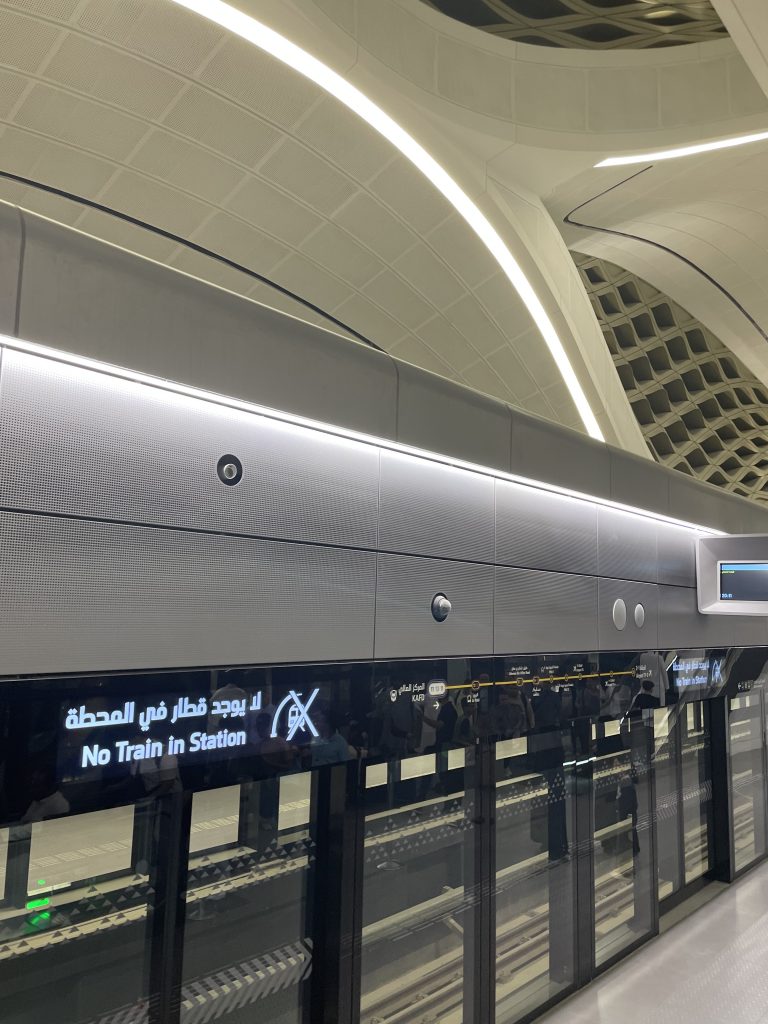
Transportation in Riyadh
From my experience living outside compound area, I can say that Riyadh is not really a walkable city.
Because of that you are highly encourage to drive or some expats also hire drivers. If you live nearby train station, that’s even better.
You might still need to drive to go to the train station but at least you can skip the heavy traffic and the headache of driving in Riyadh.
- Riyadh Metro:
- The Metro is now operational and surprisingly cheap.
- Cost: A monthly pass (Unlimited) is only SAR 140 ($37).
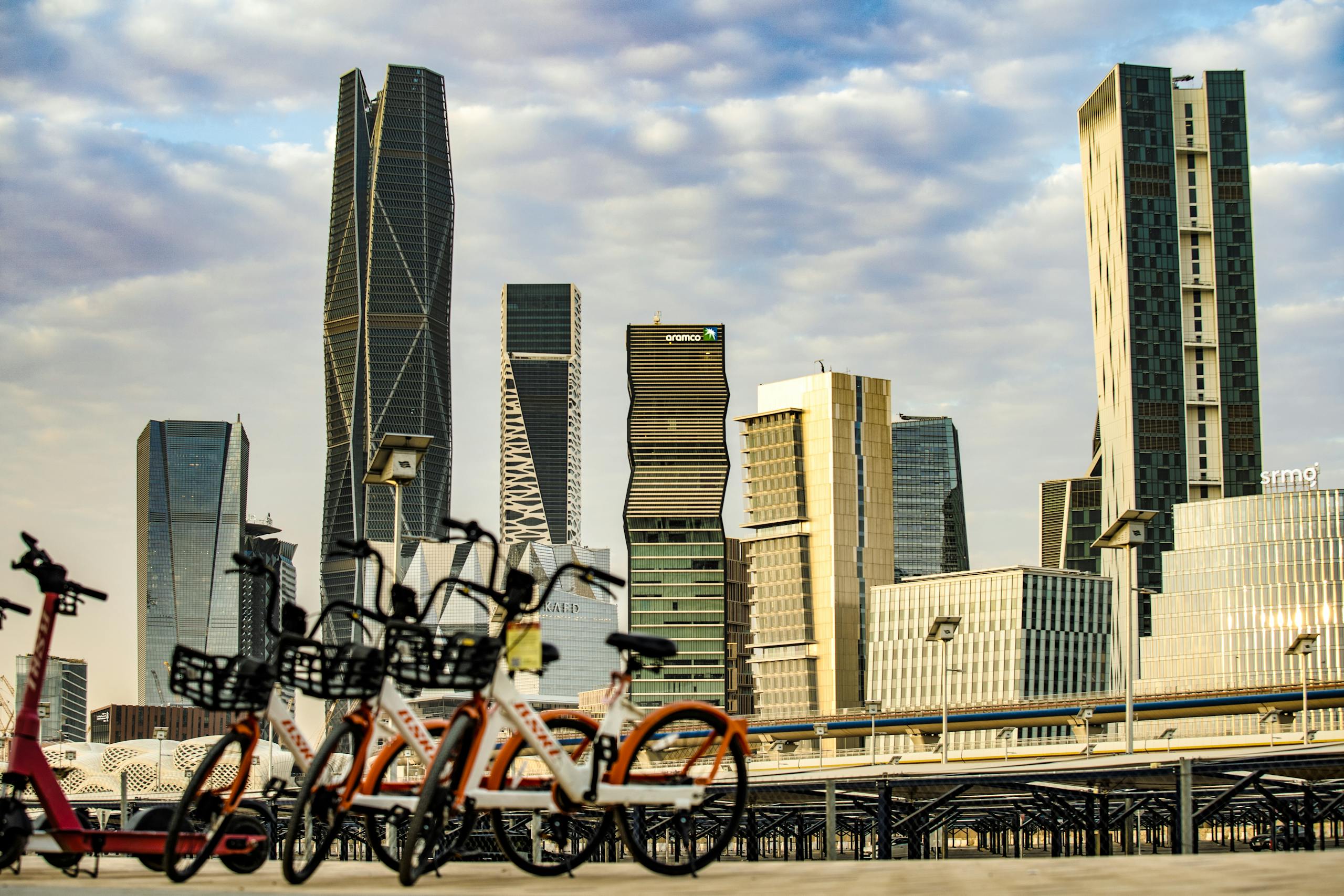
- Reality Check: It is fantastic for commuting if you live and work near stations (like KAFD or Olaya), but in the summer heat (115°F/45°C), walking 15 minutes to a station is impossible. You will still need a car for weekends and groceries.
- Car Lease:
- Driving is aggressive here. You want a safe, mid-size SUV (like a Ford Territory or Mazda CX-5).
- Lease Cost: $600 – $900 per month (SAR 2,200 – 3,400).
- The Uber/Careem Option:
- If you don’t drive, ride-hailing is reliable but adds up.
- Cost: Expect to spend $400+ (SAR 1,500) per month just for basic commutes.
Exit Re-Entry Visa
When you become a resident in Riyadh and hold the Iqama, you cannot just hop on a plane to leave Saudi Arabia.
You need an “Exit Re-Entry Visa” every time you travel.
- Cost: SAR 200 ($53) for a single trip (valid for 2 months) or SAR 500 ($133) for a multi-trip visa (valid for 3 months).
- Note: Many employers pay for 1 annual ticket home, but if you want to visit Dubai for the weekend, you pay this visa fee out of your own pocket.
5. How much do you actually need to live comfortably as expats in Riyadh?
How much do you actually need to earn to live comfortably in Riyadh? The answer depends entirely on your lifestyle.
Here is a realistic breakdown of monthly expenses for three common expat profiles in 2026
| Expense Category | Single Professional | Couple | Family of 4 |
| Housing | $1,100 (1-Bed Apt) | $1,500 (2-Bed Modern Apt) | $4,500 (3-Bed Villa) |
| Groceries | $350 | $200 (Local Produce) | $1,200 (Imported) |
| Dining & Fun | $400 | $500 | $800 |
| Utilities/Net | $150 | $200 | $400 |
| Transport | $500 (Mid-size Sedan) | $600 (1 SUV) | $900 (Large SUV) |
| Dependent Fees | $0 | $106 (1 Dependent) | $320 (3 Dependents) |
| School Fees | $0 | $0 | $4,500 (2 Kids, Tier 1) |
| TOTAL | $2,500 / month | $3,106 / month | $12,620 / month |

Is moving to Riyadh worth it for expats?
Riyadh now is popular expat destination. I love how everything here is well regulated and the safety is top-notch.
If you move here with a great job with great compensation, it will be worth it. But anything below your desired compensation might feel tough.
If you’re thinking of moving with your families, you must ensure your employment package covers Housing, Schooling, and Dependent Fees. Without these covered, the cost of living can easily eat up your tax advantage.
If you are single or couple with no kids, it is the best place in the world right now to build wealth. If you can live slightly below luxury, like my husband and I do, avoiding the daily takeouts and living outside compound, you can save a deposit for a house back home in just a couple of years.
Come with an open mind (and a calculator!) Don’t just look at the high salary number.
Look at what’s left after the rent check clears. If the math works, Riyadh isn’t just a place to work, it’s an adventure that will change your life for the better.