Spending Ramadan in Saudi Arabia: A Guide for New Expats
Spending Ramadan in Saudi Arabia
If you are a new expat living in Saudi Arabia and about to experience the holy month of Ramadan in the country, this article is for you.
As a born Muslim, I have been fasting since I was a kid. So, I thought I knew what to expect when I moved to the Middle East.
But I can’t deny, experiencing Ramadan in Saudi Arabia for the first time was a totally different experience.
It wasn’t the fasting itself that surprised me, it was how the whole city basically flips its schedule.
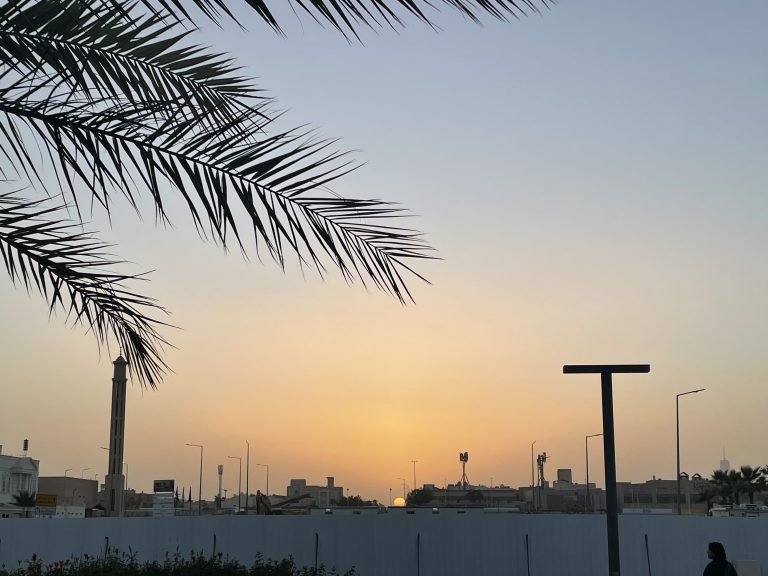
I remember driving out at 1:00 PM and seeing the streets completely empty. And then going out at 1:00 AM and seeing families shopping with their kids like it was midday!
The vibe here shifts completely.
The days are slow and quiet, while the nights become this massive celebration of food and community.
If you are new here, it can be a bit confusing to navigate the rules and the new timing. So, I want to share exactly what you need to know to make your first Ramadan in Saudi Arabia smooth and memorable.
What is Ramadan?
Ramadan is the ninth month of the Islamic lunar calendar and is considered the holiest month for Muslims.
It is a month of fasting, prayer, reflection, and community.
For 29 or 30 days, Muslims will abstain from food, drink, and other physical needs from dawn (Fajr) until sunset (Maghrib).
When is Ramadan this year?
Since the Islamic calendar is based on the moon, the dates shift back by about 10–11 days every year.
For 2026, Ramadan is expected to begin around February 18 or 19, depending on the moon sighting.
Why do Muslims fast?
Fasting is one of the Five Pillars of Islam.
The goal is to develop self-discipline, spiritual awareness, and empathy for the poor.
It is meant to be a spiritual detox and a time to disconnect from worldly distractions and focus on your relationship with God.
Do Muslims eat at all during Ramadan?
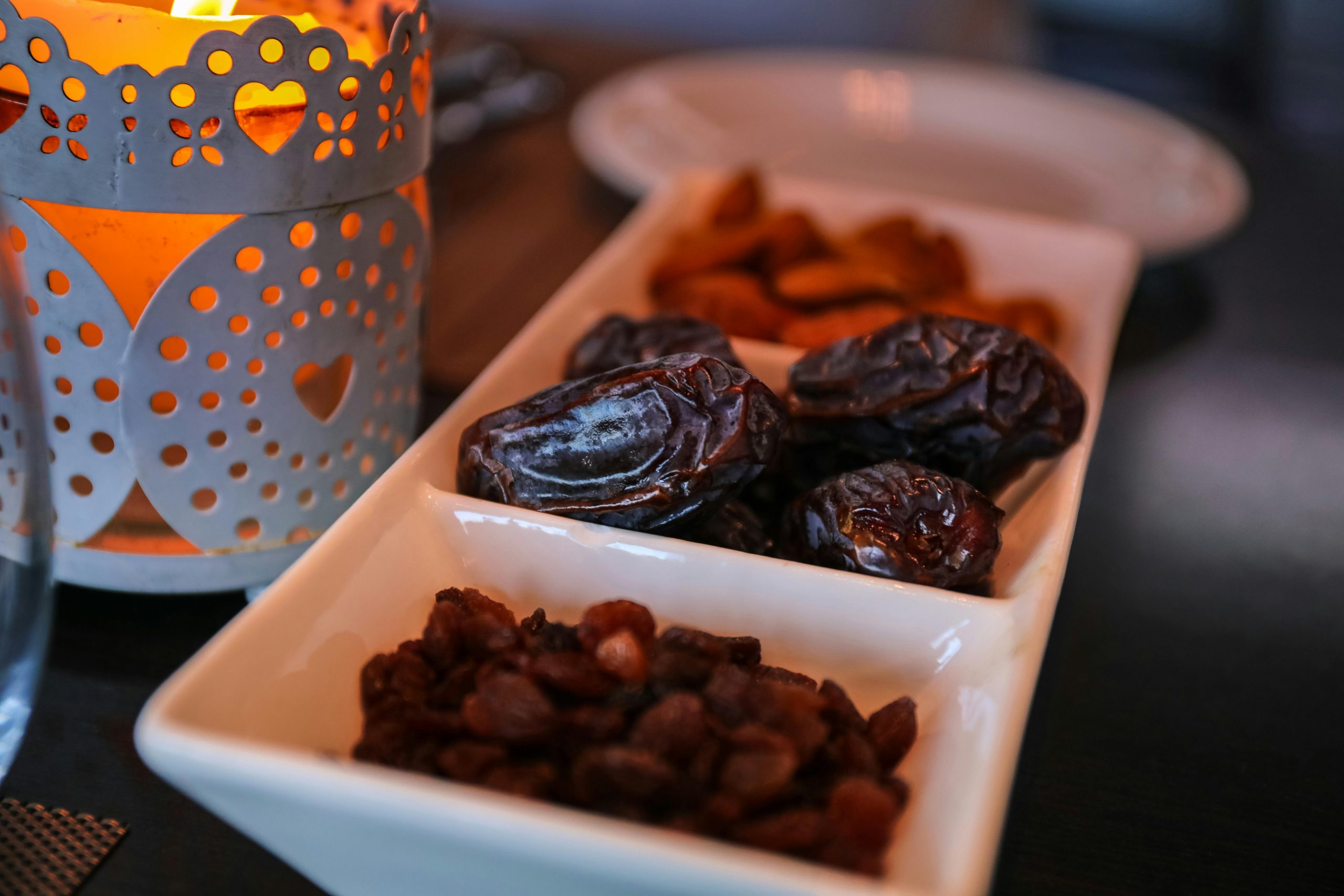
The answer is yes, Muslims eat during Ramadan but at a specific time which is during “suhoor” and “iftar”.
Suhoor (pre-dawn meal)
This is the pre-dawn meal eaten early in the morning before fasting begins. The timing is slightly different between countries.
In my home country in Southeast Asia, we usually have Suhoor around 4:00 AM or 5:00 AM.
But in Saudi Arabia, the Suhoor timing is a bit earlier, usually around 2:00 AM – 3:00 AM, depending on when the Fajr prayer is.
The Suhoor meal must be completed before the Fajr prayer call.
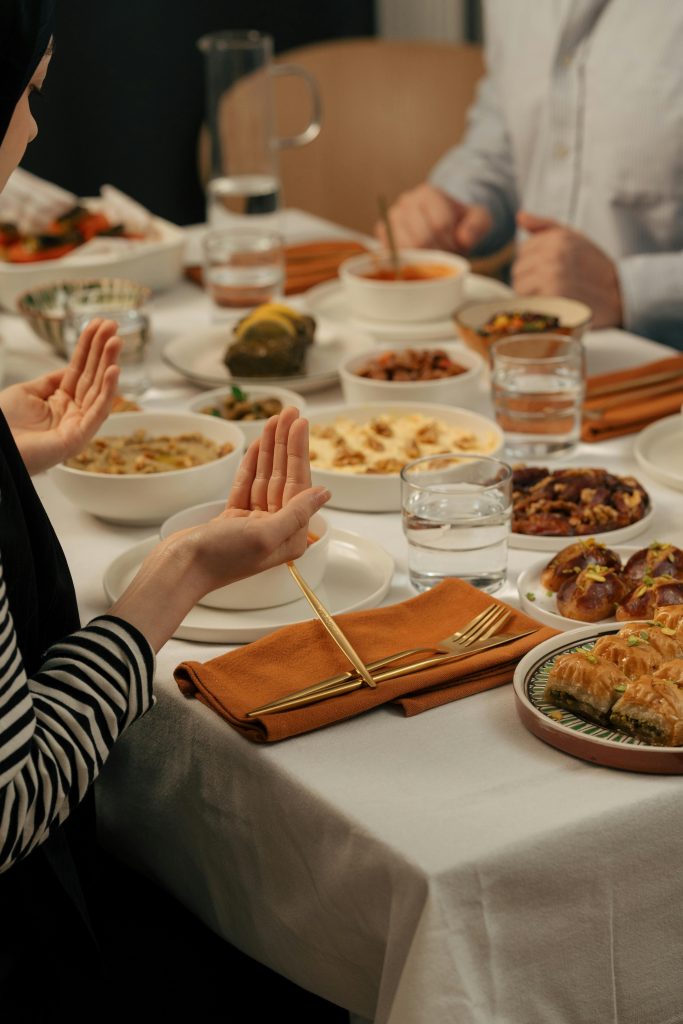
Iftar (after sunset meal)
This is the meal to break the fast immediately after the sun sets.
As soon as we hear the Maghrib prayer call, whoever is fasting breaks their fast by eating and drinking.
Who is exempt from fasting?
In Islam, fasting is mandatory for all healthy adult Muslims. However, there are exceptions for those who are unable to fast.
The following people are exempt:
- Sick people: Those who have a temporary illness or a chronic condition.
- Travelers: Anyone traveling a long distance is allowed to break their fast.
- The Elderly: Seniors who are too weak or old to fast.
- Women who are pregnant or breastfeeding.
- Women who are menstruating or have just given birth.
- Children: Fasting is not mandatory for children until they reach puberty.
What is it Like Living in Riyadh During Ramadan
Since Saudi Arabia is a Muslim-majority country, you might be wondering: What about non-Muslim expats living here?
Do I need to fast if I am not a Muslim?
The answer is no, you don’t need to fast.
However in Saudi Arabia, drinking and eating in public during the fasting time is prohibited.
Most restaurants and cafes are closed during the day. Some international restaurants might still be open.
You can still eat in private from the comfort of home through online delivery or in your office pantry if your colleagues are okay with it.
Working hours during Ramadan for non-Muslims
The great news is the Saudi Labor Law states that working hours must be reduced for Muslim employees during Ramadan.
- Private Sector: Maximum of 6 hours per day (36 hours a week).
- Public Sector: Usually 5 hours per day (often 10:00 AM – 3:00 PM).
Does this apply to non-Muslims?
Legally, the Labor Law (Article 98) only mandates this reduction for Muslim workers.
However, most companies in Saudi Arabia voluntarily apply these reduced hours to all employees (Muslim and non-Muslim alike) to keep shifts uniform.
Just be sure to double check with your HR to confirm your specific office policy!
Are restaurants open during the day in Ramadan?
Generally, no.
Most restaurants and cafes in Riyadh will remain closed until around 4:00 PM or 5:00 PM.
However, in recent years, some high-end hotels and restaurants (especially in the Diplomatic Quarter) may serve food indoors for non-fasters.
Food delivery apps (like HungerStation or Keeta) usually start operating in the late afternoon, closer to Iftar time.
Is it illegal to chew gum or smoke during Ramadan?
Chewing gum and smoking are considered “breaking the fast” habits.
Doing this in public is treated the same as eating or drinking.
To be safe, avoid this in public and stick to the comfort of your own home during fasting hours.
Ramadan dress code for expats in Saudi Arabia
Technically, if you are an expat living in Saudi Arabia, you are likely already used to modest clothing even outside of Ramadan.
So, I would tell you not to stress too much, especially if you have been practicing a modest style since you arrived.
Traffic conditions during Ramadan in Riyadh
During Ramadan, peak hours shift.
People usually rush home before sunset to catch Iftar time (breaking the fast) with their families.
So, be prepared for congested traffic and impatient drivers during this time.
Can non-Muslims attend Iftar and Suhoor?
Absolutely! In fact, it is highly encouraged.
If there is one thing you need to know, it is that the buffet scene during Ramadan is arguably the most luxurious dining experience you will find in the Middle East.
Many hotels in Riyadh set up massive Ramadan Tents with incredible interiors and huge buffets.
During this time, almost every hotel offers an “Iftar buffet” with such a huge variety of food, you will honestly be spoiled for choice.
So yes, please go out and enjoy Iftar and Suhoor with your friends and family!

You might even get invited by your Muslim friends or colleagues to share a meal with them. It is a wonderful cultural experience that you shouldn’t miss.
Just remember that Iftar starts exactly at sunset, the moment the Maghrib prayer call sounds. Don’t be late, or you will miss the main event!
Do shops and malls change opening hours in Ramadan?
Guess what? This is my favorite part of Ramadan!
The city becomes nocturnal.
This isn’t just in Riyadh; when I was living in Abu Dhabi, it was the same.
I literally did my grocery shopping at 1:00 AM during Ramadan because the malls close so late!
In the morning until afternoon, most shops are closed or operate on very short shifts (e.g., 1:00 PM – 4:00 PM).
In the evening, malls usually reopen after Iftar (around 8:30 PM) and stay open until 2:00 AM or 3:00 AM.
You will see families shopping with their kids at 1:00 AM, it is completely normal here!
My First Time Experience Spending Ramadan in Riyadh
As a born Muslim, I have been fasting since I was a kid.
But let me be honest, even as an adult who has been doing this for years, I still find it very challenging.
Keeping my energy up, staying productive, and fighting off the urge to sleep all day is a real struggle!
When I moved to Abu Dhabi, and later to Riyadh in 2025, I found myself experiencing Ramadan in a completely new way.
Here are a few things that surprised me and how I adjusted my routine:
Performing Taraweeh Prayers at the Mosque
One thing I discovered living here is how much I enjoy going to Taraweeh (the special night prayers during Ramadan).
The mosques are beautifully lit, the recitation is soothing, and seeing the whole community come together makes you forget your tiredness.
Walking to the mosque in the cool winter air has become my favorite part of the night.
And if you came early to the mosque, before the iftar time, you will sometimes get free iftar meals.
Adjusting My Work & Gym Schedule in Ramadan
Managing my energy levels was my biggest worry during Ramadan
As a coffee drinker, the caffeine withdrawal headache on the first few days is real.
I usually shifted my coffee intake to the night. I have my first cup immediately at Iftar to wake me up, and a second cup during Suhoor to power me through the next day.
It’s the only way I can stay productive without feeling sleepy throughout the day!
How about work schedule?
Since I work from home, my timing is quite flexible. I usually take a power nap in the afternoon (around 2:00 PM) before Iftar.
Then, I stay awake late into the night to work or socialize, since the city is alive until 3:00 AM anyway.
Do I still go to gym during Ramadan?
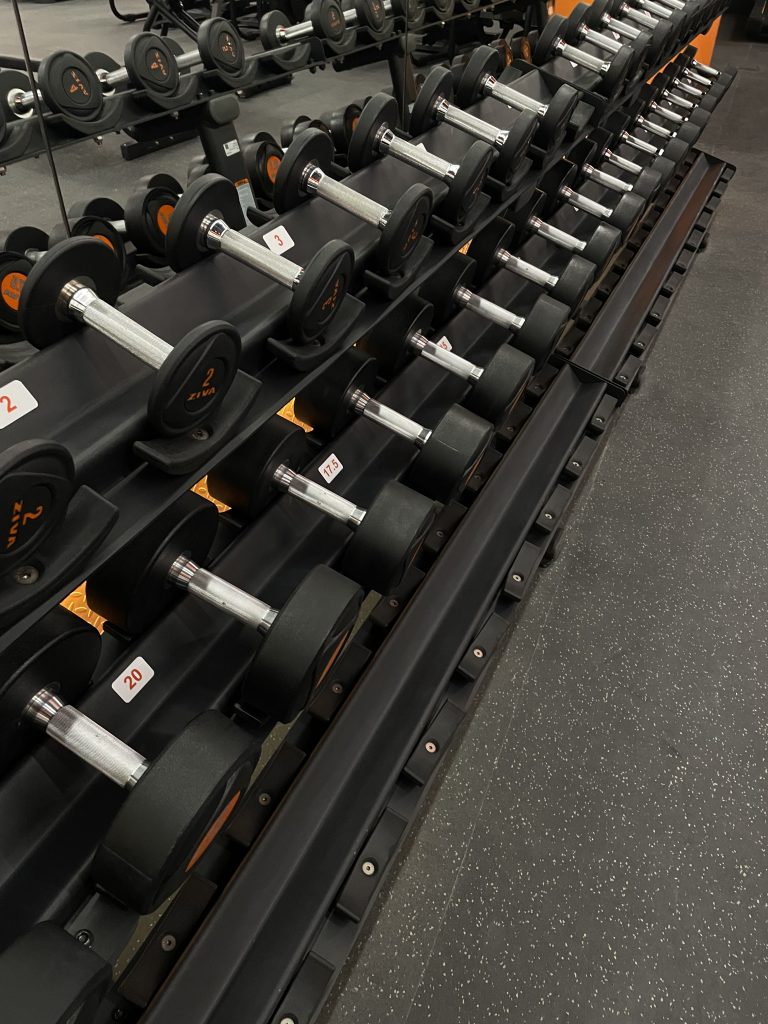
I also had to completely flip my gym schedule. In the beginning, I tried working out while fasting, but I felt too dizzy.
Now, I go to the gym at 10:00 PM, after Taraweeh prayers or sometimes at 8:00PM after Iftar time.
By then, I’ve had my meals and some water or coffee, so I have enough fuel to lift weights. Plus, the gyms in Riyadh are full of energy at night!
Decorating My House for Ramadan
This was a beautiful cultural surprise for me.
Where I am from (Southeast Asia), people usually go all out decorating their houses for Eid (the celebration after Ramadan).
But here in the Middle East, the excitement starts before the month even begins.
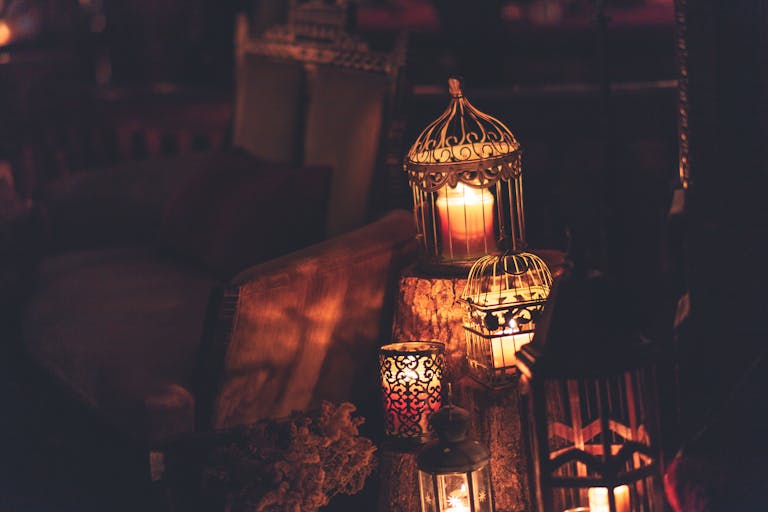
It is a huge trend here to set up a Ramadan Corner in your house.

As I’m living in Riyadh now, I’m going to take the opportunity to plan my Ramadan decorations. We will see how it turns out!
I figured setting up these decorations will help me getting into festive mood, reduce my homesickness, and made my apartment feel much cozy during the holy month.