A Comprehensive Guide for Expats Moving to Riyadh (2026 Guide)
A Comprehensive Guide for Expats Planning to Move to Riyadh
Back then, Riyadh was known for its strict rules, complicated visa processes, and a serious lack of entertainment.
Fast forward to today, and Riyadh feels like a completely different place.
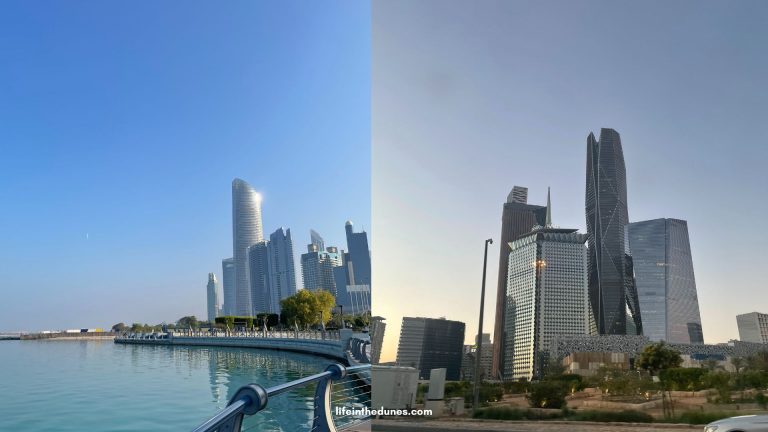
It’s now home to nearly 8 million people, where futuristic metro lines cut through the city alongside historic mud-brick palaces.
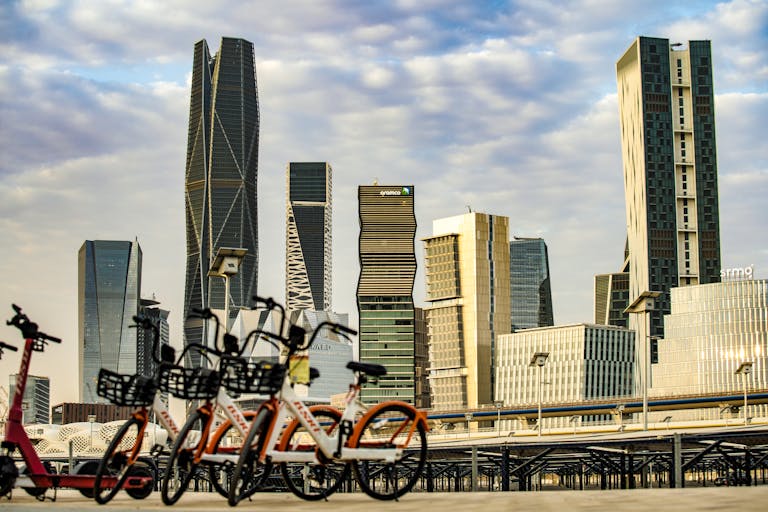
You’ll find a lot of great dining spots, massive entertainment hubs like Boulevard World, and major business districts such as the popular King Abdullah Financial District (KAFD).
For expats, the opportunities are huge, but so is the culture shock.
I am an expat living in Riyadh. This guide is based on my personal experience, the observations I’ve made, the conversations I’ve had, and deep research. I hope this article will serve as the ultimate beneficial guide for any new expat arriving in Saudi Arabia.
Why Become An Expat in Riyadh?
Why are thousands of Americans, Brits, and Europeans are coming to work and live in Riyadh?
Financial Advantage
One of the reasons is because there is no income tax in Saudi Arabia.
Although the cost of living can be a big high, the absence of personal income tax lets you save more here than any other cities in the world.
For many professionals, 3–5 years in Riyadh can pay off a mortgage back home.
Career Velocity
Despite having the resources of a G20 country, Riyadh operates as a startup city.
Entire sectors (tourism, entertainment, and technology) are being created from the ground up under Vision 2030.
You might be able to advance into a director position here if you are a mid-level employee back home. This is made possible by the quick growth.
Travel Hub
Riyadh is geographically perfect. You are only a couple of hours away from popular cities and tourist destinations:
- 2 hours from Dubai/Doha.
- 4 hours from Europe (Greece/Turkey).
- 5 hours from the Maldives.
- 3 hours from Incredible domestic spots like AlUla and the Red Sea.
Cost Of Living In Riyadh (2025 Update)
Is Riyadh expensive?
The answer is, it depends on a few things such as your lifestyle and amount of dependents.
If you live in a compound and shop your grocery at high-end supermarket, it is going to be expensive.
If you live in a local villa or apartment and shop at local supermarket, you’ll find it surprisingly affordable. This is especially true given the pay for expats here.
Here is a breakdown of average monthly costs for a single expat vs. a family of four in 2026. I shared the true cost of living for expats in Riyadh in my previous article.
| Expense | Single Expat (Budget) | Family of 4 (Mid-Range) |
| Housing | SAR 3,500 (Apt in East) | SAR 12,000 (Villa/Compound) |
| Groceries | SAR 1,500 | SAR 4,500 |
| Utilities (Electric/Water) | SAR 300 | SAR 900 |
| Internet & Mobile | SAR 400 | SAR 800 |
| Transport (Car Lease/Fuel) | SAR 2,000 | SAR 3,500 |
| Dining & Entertainment | SAR 1,000 | SAR 3,000 |
| School Fees (Per Child) | N/A | SAR 4,000+ (Avg) |
| TOTAL | SAR 8,700 ($2,300) | SAR 28,700 ($7,600) |
Note: The biggest cost for expats with families are actually rent and school fees. International schools have hiked prices significantly. You should always try to negotiate an education allowance in your employment contract.
Internet And Mobile Data In Riyadh
Forget the stereotype of the desert disconnected from the world. Saudi Arabia has some of the fastest 5G speeds on the planet and that’s one thing I love about living here.
Mobile Providers in Riyadh
Which mobile providers you can use in Riyadh? I’m currently using STC.
STC (Saudi Telecom Company): The market leader. Best coverage in remote areas (like if you go camping). slightly more expensive.
Mobily: Excellent speeds and good value packages. Popular with expats.
Zain: Great data deals, but coverage can be spotty in some basements or older districts.
Cost: A standard Postpaid plan with unlimited social media and 50GB data costs around SAR 200–250 ($53–$66) per month.
Home Internet (Fiber vs. 5G)
What kind of home Internet you should get?
- Fiber Optic: If your building has a metal plate outside saying STC or Mobily, get Fiber. It is stable and fast (up to 500Mbps). Expect to pay SAR 300/month.
- 5G Routers: If you don’t have Fiber, you buy a 5G box (looks like a modem). It works off the mobile network. It’s fast (300Mbps+) but can slow down in the evenings when everyone is streaming Netflix.
Riyadh Weather: What to Expect (Winter vs. Summer)
Riyadh weather consists of 2 very different seasons: a long, hot summer and a surprisingly cool winter.
Both can be intense in their own way, so knowing these could prep you better.
Summer (May to September)
Temperature: 40°C – 48°C (104°F – 118°F).
Unlike coastal cities like Jeddah or Dammam, Riyadh is extremely dry.
You won’t feel sticky humidity, but the dry heat can be harsh on your skin. I highly recommend investing in heavy-duty moisturizers and staying hydrated.
Outdoor activities during the day are nearly impossible. You will likely move from your air-conditioned apartment to your air-conditioned car, and finally to your air-conditioned office.
Because of the heat, the city comes alive at night. Malls, restaurants, and cafes often stay open until 2:00 AM or later because locals only venture out after sunset.
I shared my personal experience surviving two summers in Saudi Arabia in my other article.
Winter (October to April)
Temperature: 0°C – 15°C (32°F – 59°F).
This is the best time to be in Riyadh! I really love winter here as there are so many activities you can do.
The weather is spectacular, and the entire city heads outside. You will see people go for hiking, camping in the desert, and setting up picnics, and sometimes even by the road side.
The atmosphere changes completely. It becomes a very relaxed, outdoor-focused community.
But, never underestimate the cold.
In January and February, temperatures at night can drop close to 0°C (32°F).
Most houses are built to keep heat out, not in, so you will definitely need a winter jacket and an electric heater (or dual AC) for your apartment.
Work and Residency Visas In Riyadh
Many people not know this, but in Saudi Arabia, your residency is strictly tied to your employment.
Unlike the UK, US, or Canada, you generally cannot obtain a Permanent Residency or a simply by living here. And, what about Citizenship?
Do Saudi Arabia offer citizenship for foreigners?
The answer is no.
Most Arab countries in the Gulf are very open to expats, but citizenship is not granted to foreigners.
You’ll find residents who have lived here for decades, even across multiple generations.
Yet they still hold their home country’s passport, even if they’ve never lived there.
That’s one thing I find very unique when I first moved to this region.
What kind of visa do you need to work as an expat in Saudi Arabia?
To live and work in Saudi Arabia, you must hold an active job.
If you don’t have a job, you cannot stay in the country unless you’re sponsored by a working family member (a spouse or parent).
If your employment ends, you’ll need to either leave the country or secure a new sponsor immediately.
Here are some of the visas that allow you to reside in Saudi Arabia:
Iqama (Residency Visa) in Saudi Arabia
This visa is issued by your employer, who is legally responsible for sponsoring your Iqama.
It serves as your residency permit and allows you to live in the country legally, as well as bring your immediate family members with you.
You’ll receive an official ID card called the Iqama and it’s the most important document you’ll own in Riyadh.
Without it, you can’t rent a home, open a bank account, get a local SIM card, or even sign up for anything.
Premium Residency in Saudi Arabia
Saudi Arabia has also introduced the Premium Residency program, which has recently been updated with new categories.
This option allows you to live in the country without a sponsor (kafeel), giving you much more flexibility compared to a traditional Iqama.
With Premium Residency, you can switch jobs freely, own property, and conduct business in Saudi Arabia without being tied to an employer.
According to the official government portal, there are now two main paths under the Premium Residency program:
Specialized Residency in Saudi Arabia
Designed for professionals, investors, and owners.
- Cost: A one-time administrative fee of SAR 4,000.
- Duration: 5 years (renewable). Note: This can lead to Permanent Residency if you reside in Saudi for 30 months within a 5-year period.
- Who Qualifies?
- Special Talent Residency:
- Executives: Must earn SAR 80,000+ monthly (First/Second level management).
- Healthcare & Science Professionals: Must earn SAR 35,000+ monthly.
- Researchers: Must earn SAR 14,000+ monthly (requires employment at specific research entities).
- Real Estate Owner Residency:
- Own a developed, residential property worth at least SAR 4,000,000 (mortgage-free).
- Investor Residency:
- Invest SAR 7,000,000 in business activities and create 10 jobs. (Grants direct Permanent Residency).
- Entrepreneur Residency:
- Hold a 20% share in a startup with SAR 400,000 investment (Category 1) or 10% share with SAR 15M investment (Category 2).
- Special Talent Residency:
General Residency
Designed for those who do not meet the specific Talent or Investor criteria but have the financial means.
- Limited Duration Residency:
- Cost: SAR 100,000 per year.
- Perk: Valid for 1 year, renewable.
- Unlimited Duration Residency:
- Cost: SAR 800,000 (One-time payment).
- Perk: Lifetime residency. Valid forever.
Note: For the latest eligibility quizzes and application forms, visit the official Premium Residency Center at pr.gov.sa.
Tourist Visa (eVisa)
Citizens of 60+ countries (US, UK, EU, etc.) can get a 1-year multiple entry eVisa online instantly.
Warning: You cannot work on this visa. It is strictly for tourism or Umrah. If you are caught working on a tourist visa, you face immediate deportation and a permanent ban from entering Saudi Arabia.
Popular Neighborhoods For Expats in Riyadh
Some people say where you live in Riyadh dictates your happiness. Sounds weird, right? But, it’s true.
Follow this golden rule when you move to Riyadh: Live near where you work or where your kids go to school.
I did a full breakdown on popular neighborhoods for expat living in Riyadh in my previous article.
Here is a quick summary of Riyadh’s best neighborhood for expats in 2026:
1. Al Malqa (Upscale North)
Al Malqa is an upscale, contemporary, and social. For young professionals, it is one of the most sought-after locations.
Ideal For: People who value walkability and access to upscale stores in the winter.
Note: Rents can be 30–40% higher than in nearby areas, making it much more costly.
2. Al Hamra (Quiet East)
Al Hamra is much more family-friendly. Western expats make up a sizable portion of the population here.
Ideal For: Families whose children attend British International School (BISR). Living here cuts the 45-minute commute to school to just five minutes.
Cost: Good value (SAR 55k–75k) for large apartments, though the buildings tend to be older.
3. Al Munsiyah (My Personal Pick)
Al Munsiyah has a sensible blend of new construction and reasonable costs in the Northeast.
Ideal For: Married couples and families. It is less expensive and only requires a 15-minute drive from the North.
Why I live here: I pay SAR 40,000 for a well-maintained two-bedroom apartment villa that would probably cost SAR 75,000 in Al Malqa.
4. Al Olaya (Central Business District)
The vibe in Al Olaya is much more business district. It is vibrant, crowded, and busy.
Ideal For: Professionals and singles who work in the main towers (Kingdom Center or Faisaliah).
It is one of the few places where you can live comfortably without a car because it is served by the Blue Line Metro.
5. Diplomatic Quarter (High Security & Greenery)
In DQ, you can find gated, safe neighborhood with lots of parks and walking paths. It is Riyadh’s most pedestrian-friendly neighborhood and also homes to many diplomats.
Ideal For: Expats and diplomats who value security and the environment.
Cost: Quite high. Here, villas can cost more than SAR 200,000 annually.
6. Hittin (Luxury & Entertainment)
Vibe: Home to upscale residences and significant entertainment centers like Boulevard City.
Ideal For: People who wish to be in the heart of Riyadh’s upscale dining and nightlife.
Note: Traffic congestion is very high on Thursday and Friday nights due to visitors coming to the area for dinner.
Popular Tourist Attractions in Riyadh
Riyadh is no longer just malls and sand. Here are 15 spots you need to visit, from ancient forts to futuristic theme parks.
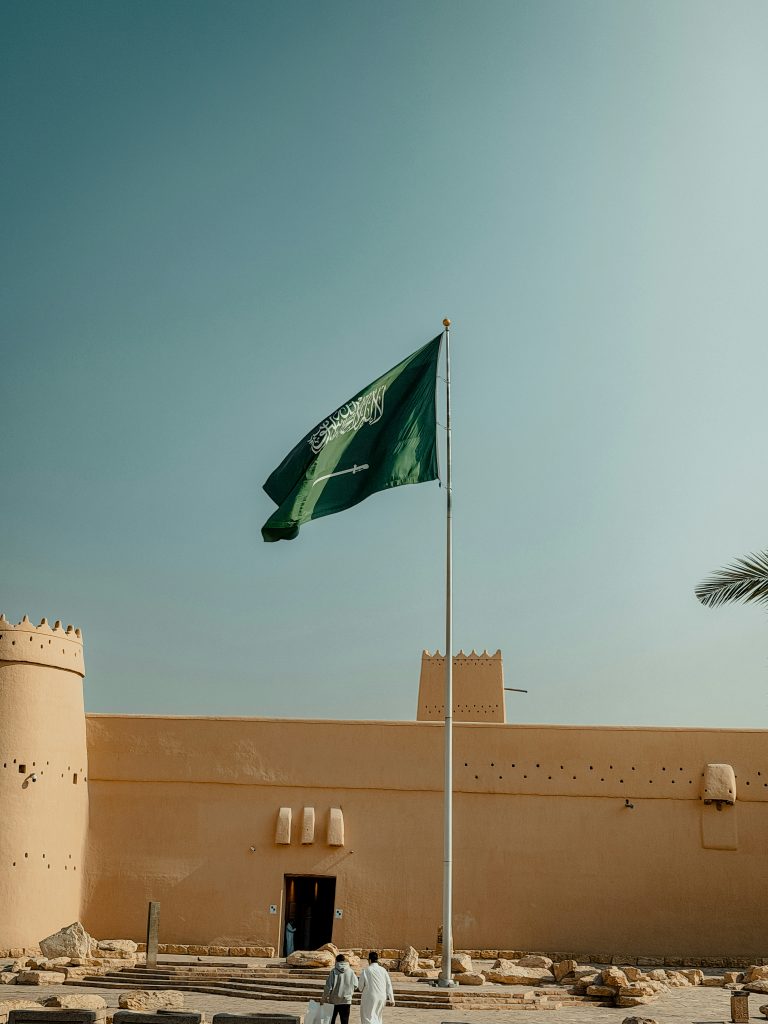
1. Al Masmak Palace Museum
This mud-brick fort marks the start of modern Saudi Arabia. King Abdulaziz captured it in 1902.
The entrance is free, but please double check the opening hours (it’s usually closed Friday mornings).
Location: Al Masmak Palace Museum
2. Souk Al Zal
The oldest market in the city (100+ years old). This is where you buy authentic carpets, Oud (perfume), and Bishts (royal cloaks).
Best Time: Friday at 5:00 PM. This is when the live auction happens. It’s a photographer’s dream.
Location: Souk Al Zal
3. National Museum
This top-notch museum sits beside the King Abdulaziz Historical Center. It covers the full history of the Arabian Peninsula, from meteorites to oil discovery.
Location: National Museum Riyadh
4. Diriyah (At-Turaif)
This is a UNESCO World Heritage site made of mud-brick, now filled with Michelin-star dining (Bujairi Terrace).
You often need a Diriyah Pass to enter (redeemable against food). It is stunning at night when everything is lit up.
Location: At Turaif World Heritage Site
5. Boulevard World
BLVD World is part of the Riyadh Season and has become one of the city’s most exciting hangouts for families, friends, travelers, and anyone who just wants to explore, eat, shop, and have fun. I shared my whole experience visiting the Boulevard World and some tips for first time visitors.
You’ll find:
Live cultural shows and entertainment — music, dances, performers, and interactive experiences in each zone.
Food from around the globe — traditional dishes and themed dining spots that match the culture you’re exploring.
Shopping streets — a mix of local makers and international brands, perfect for souvenirs, gifts, or just browsing.
Upgraded attractions — fun installations and immersive spaces that are more interactive and exciting than before.
Entrance Fees:
- Weekday entry: SAR 30 per person
- Weekend entry: SAR 40 per person
Location: BLVD World
6. Boulevard City
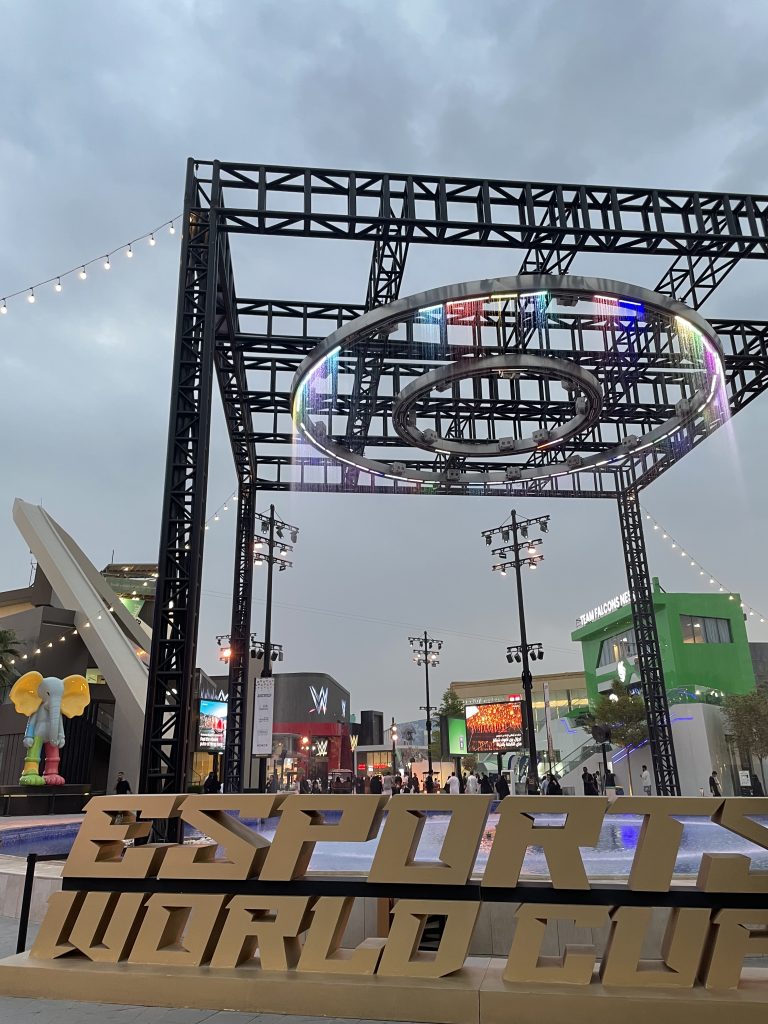
The Times Square of Riyadh. It has massive cinemas, gaming arenas, and the new Mike Tyson Boxing Gym.
Location: Boulevard Riyadh City
7. KAFD (King Abdullah Financial District)
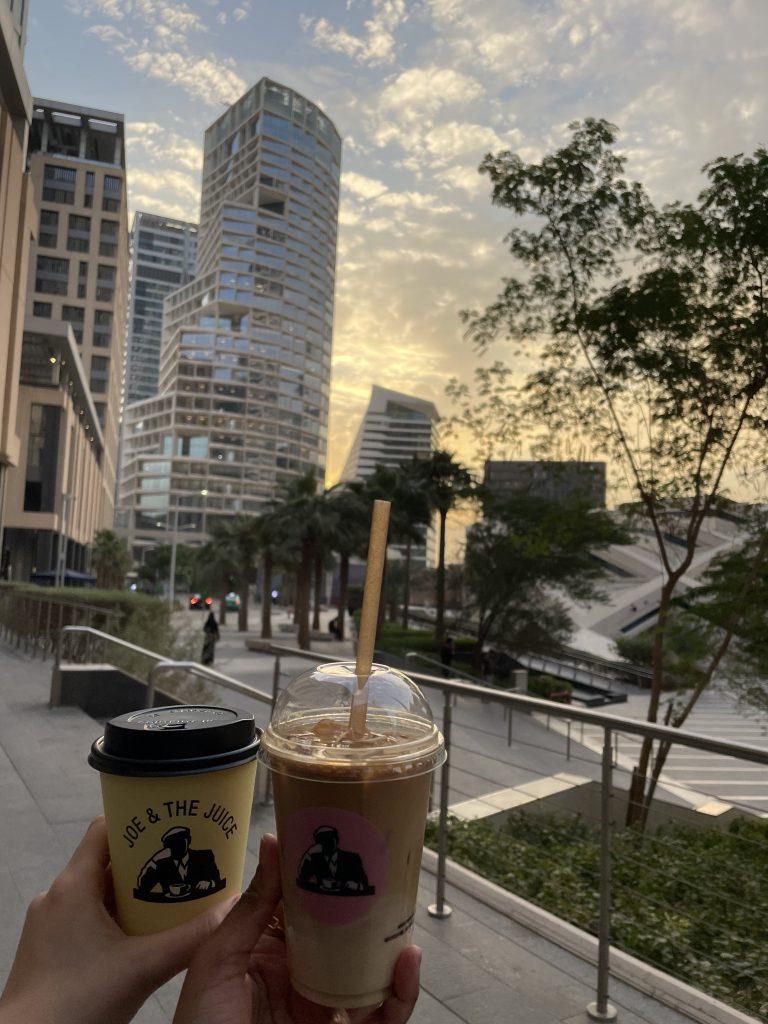
This is a futuristic jungle of 60+ skyscrapers designed by talented architecs.
And the best part is, this place is not just offices.
The pedestrial walkway is amazing and surrounded by high-end cafes.
Location: KAFD
8. Via Riyadh
This is a luxury shopping mall located right next to the Ritz Carlton Riyadh.
Parking fees at VIA Riyadh costs SAR50 for the first hour, and SAR10 for the following hours.
Location: VIA Riyadh
9. Riyadh Zoo
Riyadh Zoo has just reopened in late 2025 as a cageless, immersive experience with new zones. Make sure to come when the weather is not at peak summer.
Location: Riyadh Zoo
10. Wadi Hanifa
A lush valley running through the desert city. It has paved walkways, BBQ spots, and cycling tracks.
Location: Wadi Hanifah
11. Kingdom Centre (Sky Bridge)
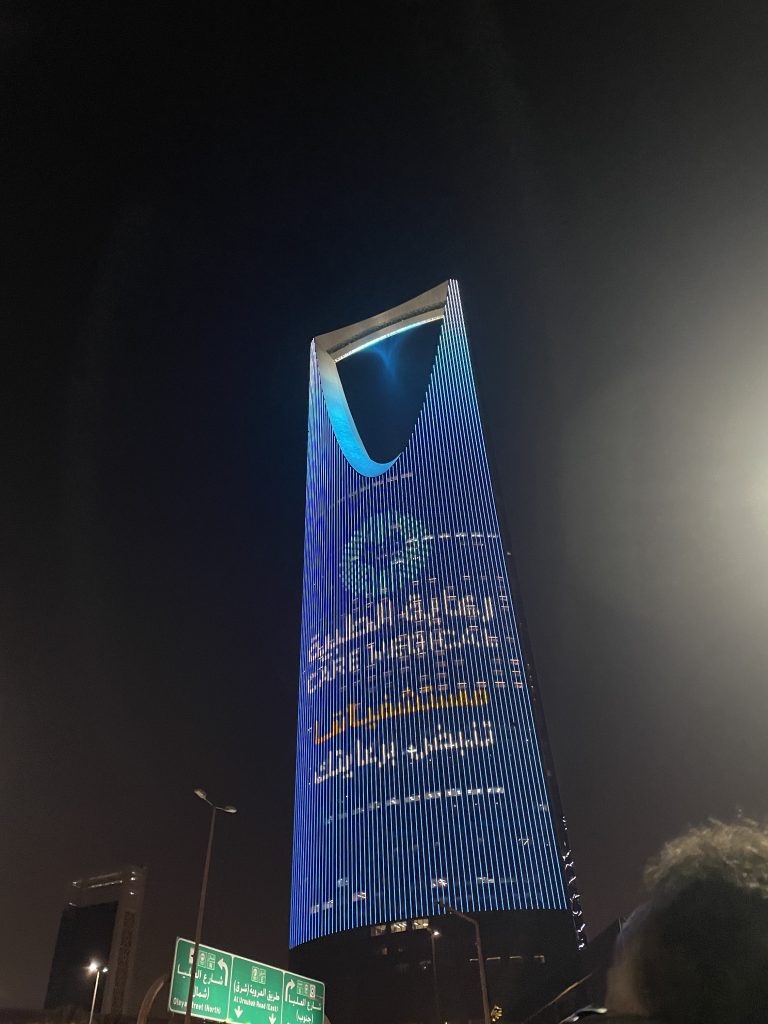
This is the famous Riyadh skyscraper.
You can go to the Sky Bridge on the 99th floor at 5:00 PM to watch the sunset turn the city from dusty brown to sparkling gold.
Location: Kingdom Centre Sky Bridge
Best Coworking Spaces For Expats in Riyadh
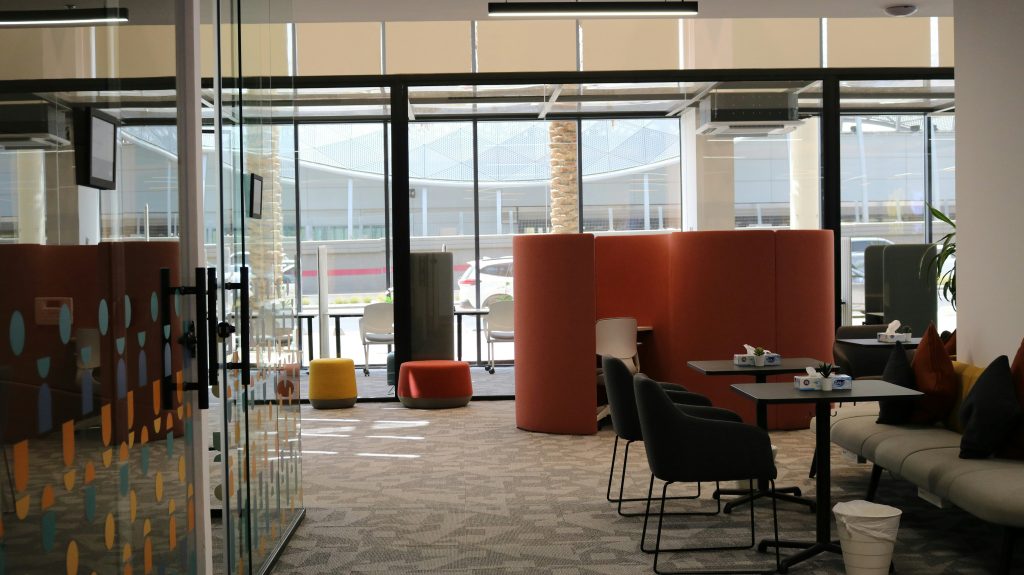
The coworking scene in Riyadh has exploded in the last two years. Whether you need a glass skyscraper to impress clients or a budget-friendly desk, here are some coworking spaces I can suggest:
1. The Executive Centre (KAFD)
- Best For: Corporate professionals and client meetings.
- Located in the prestigious Financial District (KAFD), this is where the “big sharks” swim. It’s strictly corporate, premium, and surrounded by global firms like Aramco and Deloitte.
- Cost: Premium pricing, starting around SAR 3,000 ($800)/month.
2. Servcorp
- Best For: Business support and global access.
- A global heavyweight with branches everywhere (Al Faisaliah, Business Gate). It feels professional and service-oriented, with top-tier secretarial and IT support included.
- Cost: Hot desks start from SAR 790 ($210)/month.
3. Spaces
- Best For: Networking and a social atmosphere.
- Modern, European-chic, and energetic. With locations like Riyadh Park and the Diplomatic Quarter, it’s a favorite for digital nomads who want to meet people.
- Cost: Memberships start around SAR 670 – 1,535 ($175 – $400)/month.
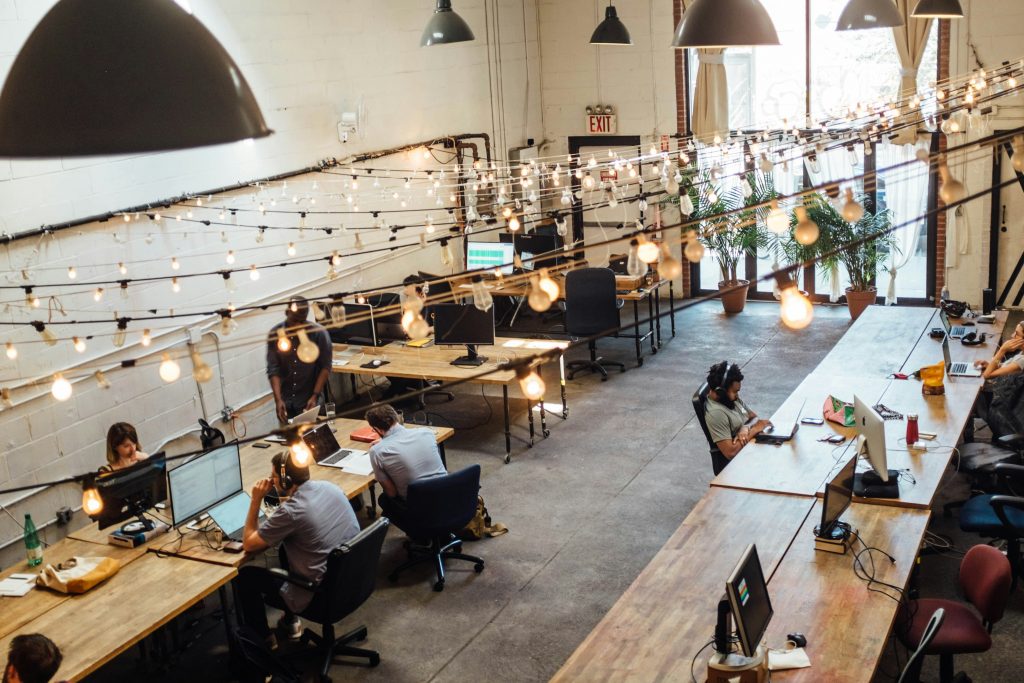
Check out this article where I break down my favorite coworking spaces, their costs, some great alternatives like work-friendly cafés, and my top networking tips.
4. Regus
- Best For: Flexibility and convenience.
- The “Starbucks” of shared offices. Reliable, functional, and found on almost every corner (Kingdom Centre, Hamad Tower). It’s efficient, if a bit standard.
- Cost: Monthly memberships start around SAR 670 ($178)/month.
5. Beehive
- Best For: Freelancers on a budget.
- Relaxed and friendly. If you are just moving out of your home office and aren’t ready for a luxury lease, this is a great entry point.
- Cost: Very affordable at SAR 700 ($186)/month or SAR 60 ($16)/day.
6. SheWorks
- Best For: Female Entrepreneurs.
- A unique co working space designed to empower women in business. It offers a supportive, safe, and collaborative environment specifically for female founders.
- Cost: Around SAR 2,500 ($667)/month.
7. Vibes Office
- Best For: Creatives and community lovers.
- As the name suggests, it’s all about the community. Less “cubicle,” more “living room,” with event spaces and community managers who actively connect you with others.
- Cost: Desks start around SAR 810 ($215)/month.
8. AstroLabs
- Best For: Tech startups and scaling founders.
- The HQ for the tech scene. It’s more than a desk; it’s a launchpad for companies expanding into Saudi, offering coding bootcamps and 24/7 access.
- Cost: Competitive rates starting around SAR 750 ($200)/month.
Short-Term and Long-Term Accommodation Options In Riyadh
Finding accommodation in Riyadh usually has two steps. First, you book a short-term hotel while your residency documents are processed. Then, you secure a lease in a residential compound or villa.
Short-Term Hotels
You can select a hotel based on proximity to your workplace to reduce commuting time.
Luxury Hotel Options in Riyadh
The Ritz-Carlton
Located near the Diplomatic Quarter. It features extensive grounds and high security. It is often used by visiting dignitaries and executives requiring privacy. It is also next to the popular luxury shopping mall VIA Riyadh.
Location: Google Maps
Mandarin Oriental Al Faisaliah
Situated within the Al Faisaliah district in Olaya. It offers central access to the business district and high-end dining options.
Location: Google Maps
Four Seasons (Kingdom Centre)
Located inside the Kingdom Centre tower. It provides views of the city and direct access to the Kingdom Centre shopping mall.
Location: Google Maps
Mid-Range Hotel Options in Riyadh
Hilton Riyadh Hotel & Residences
Located in the Granada district near King Khalid International Airport. It connects directly to Granada Mall and the Metro, making it convenient for frequent travelers.
Location: Google Maps
Mansard Riyadh (Radisson Collection)
Located in the Al Rabie district in the north. It offers a European architectural style and is situated near the King Abdullah Financial District (KAFD). Perfect place to stay if your office is in KAFD area.
Location: Google Maps
Centro Olaya
Located in the Olaya district. This is a practical option for business travelers requiring a central location at a lower price point than the luxury hotels.
Location: Google Maps
Residential Compounds in Riyadh
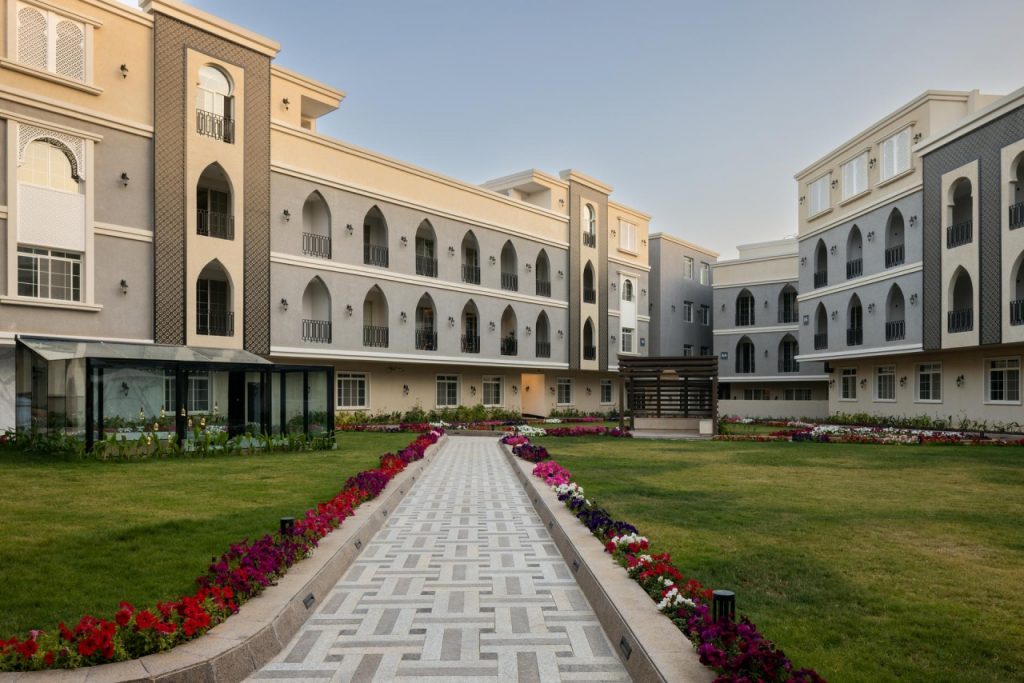
Compounds are gated communities designed primarily for expats. High-demand compounds often have waiting lists of 6 to 12 months. It is advisable to apply before arrival.
Estimated Cost: SAR 200,000 – SAR 350,000+ per year.
Al Bustan Village
Located in the north. It features wide streets, extensive sports facilities, and a large expatriate community.
Visit website: Al Bustan Village
Antara Living
A newer compound located in the Al Diriyah area. It focuses on wellness facilities, including large pools and a health center.
Visit website: Antara Living
Arizona Golf Resort
Located in the Qurtubah district. It contains a 9-hole golf course and offers open, green spaces.
Visit website: Arizona Golf Resort
Al Nakhla
Located near the airport. It offers extensive recreational options, including cinemas and lagoon-style pools.
Visit website: Al Nakhla Residential Resort
If you’re looking for best neighborhood for expats to stay in Riyadh, check out my other article.
Commuting in Riyadh
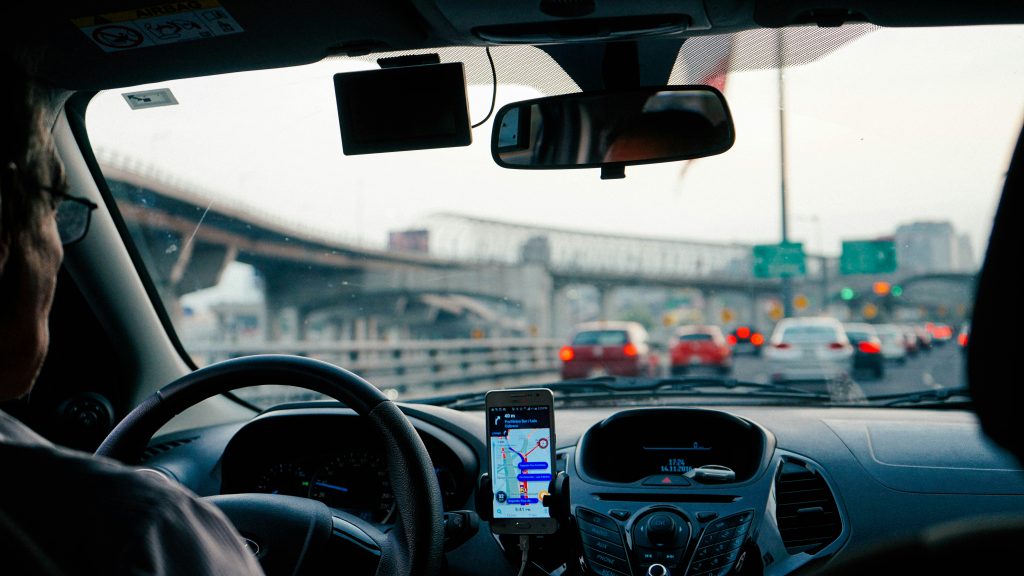
Traffic congestion is real in Riyadh. My advise is to always check the travel time between a potential compound and your workplace during peak hours (8:00 AM) before signing a lease. It is recommended to choose a location close to your office or your children’s school.
How To Get Around in Riyadh
Riyadh is basically a car-centric city, but the launch of the public transport network has changed the game. You now have three viable ways to navigate the capital.
Riyadh Metro
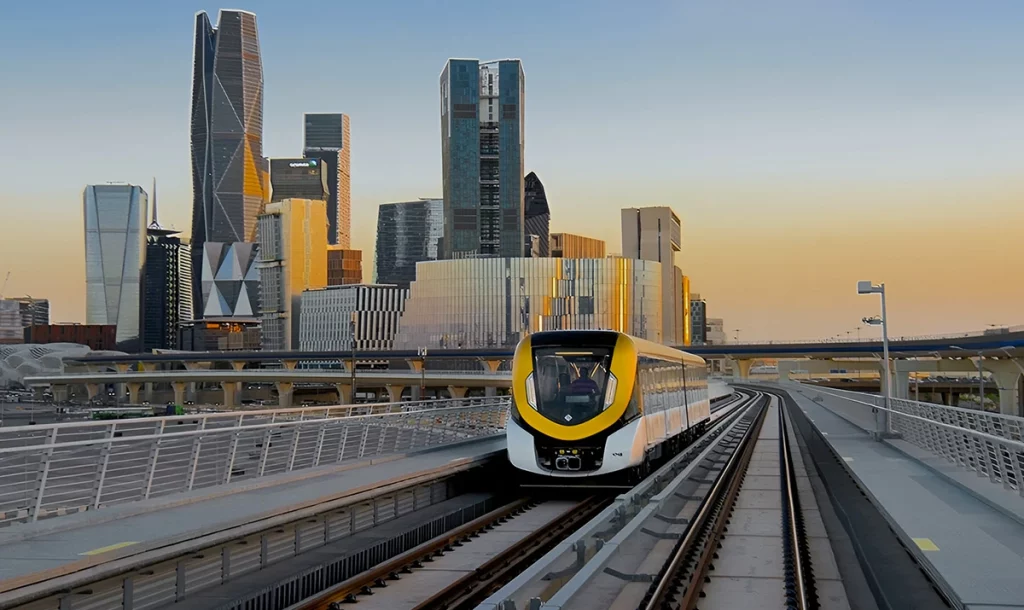
After years of anticipation, the 6-line metro network is fully operational. It is clean, safe, and efficient.
- Download the “Darb” app. You can use this to buy tickets and plan routes. You can also scan your bank card (contactless) directly at the gate.
- Metro Lines:
- Blue Line (Line 1): It runs North-South along Olaya Street, connecting the major skyscrapers (Kingdom Centre, Faisaliah) with the old city center (Batha).
- Yellow Line (Line 4): This connects King Khalid International Airport (KKIA) directly to the Financial District (KAFD).
- Red Line (Line 2): Runs East-West along King Abdullah Road, connecting the university (KSU) and major event centers.
- Cost: Very affordable. A standard 2-hour pass is SAR 4 ($1.06). A 7-day pass is SAR 40 ($10.66).
E-Hailing Apps
You will likely use these daily if you don’t drive.
- Uber & Careem: Most reliable cars, best English-speaking drivers.
- Warning: During rush hour (8:00 AM / 5:00 PM), “surge pricing” can double your fare.
- Bolt, Jeeny, Kaiian: significantly cheaper (often 30–40% less), but the cars are often older and drivers may speak less English.
- Safety: All apps are tracked and generally very safe for solo female travelers.
I share more about the must-have apps for expats when you move to Riyadh in this article.
Driving in Riyadh
If you live far from a Metro station, you need a car. Riyadh is massive and the city is not really walkable.
- Driving License: Citizens of the US, UK, EU, and GCC can swap their foreign license for a Saudi one without a driving test.
- You need to:
1) Translate your license.
2) Get a medical test (eye exam/blood type).
3) Use the Absher app to book an appointment at “Muroor” (Traffic Police) to print the card.
- You need to:
- Traffic Cameras:
- Speeding: If the limit is 100km/h and you go 111km/h, you will receive a fine SMS within minutes.
- Seatbelts & Phones: New cameras detect if you are holding a phone or not wearing a seatbelt. Fines start at SAR 150 and go up to SAR 3,000 for drifting/recklessness.
- Traffic Culture: Driving here is quite brutal. You might need to adapt to the driving style here in order to stay safe (and sane) on the road.
Tax For Expats In Riyadh
Even though your salary is not taxable in Saudi Arabia, you should be aware of a few other things:
VAT (Value Added Tax): The VAT in Saudi Arabia is 15%. It applies to everything includes groceries, cars, school fees, and services.
Dependent Fees: If you are an expat working in Saudi Arabia and you sponsor your family, you must pay SAR 400 per person per month. A family of 4 (wife + 2 kids) = SAR 1,200/month in fees just to keep them in the country.
US Citizens: If you are an American citizen, you still have to file with the IRS. You can usually exclude up to ~$126k (2026 est) via the Foreign Earned Income Exclusion, but talk to an accountant.
10 Things You Should Know About Riyadh
Prayer Times in Saudi Arabia
There are 5 prayer times in a day for Muslims. Back then, shops or any establishments are required to close during prayer times. B
ut now, they are no longer legally have to close, but many small shops or restaurants will take a 15min break to allow their staff to pray. I don’t see this as much in Riyadh, but in Madinah, this is quite a norm.
Weekends in Saudi Arabia
The weekend in Saudi Arabia is Friday & Saturday. Sunday is considered a work day.
Dress Code in Saudi Arabia
If you’re wondering what to wear especially for female expats: Wearing abaya is not mandatory anymore in Saudi Arabia, but modest attire (covering shoulders and knees) is highly suggested. I wrote a full guide on the dress code in Saudi Arabia.
Is alcohol allowed in Saudi Arabia?
Alcohol is still strictly prohibited for the general public. Exceptions exist for Diplomats, but otherwise assume it is a dry country.
Is Public Display of Affection (PDA) allowed in Saudi Arabia?
Public displays of affection (PDA) are frowned upon. Holding hands is fine, kissing in public is not.
Coffee culture is a huge thing in Riyadh
Riyadh is a late-night city where most people become an owl during holiday season and on the weekends. But don’t be surprised if you see cafes or coffee shops are packed after 10pm (even on weekendays!) while people are drinking coffee during this time. I shared my coffee shop recommendations and the coffee culture in Saudi Arabia in my other article.
Gender-segregated social norms in Saudi Arabia
Most restaurants you go in Riyadh will have a family section and men-only section. And the same goes to banks or government offices. What surprised me the most as an expat is the gender-segregated gyms in Saudi Arabia. I shared my experience in joining a female-only gym in Saudi Arabia.
Surviving summer heat in Saudi Arabia
Living in Saudi Arabia, especially Riyadh during summer is a real challenge. It will test you. I wrote a a full guide on how to survive the summer heat if you’re newcomers in Riyadh.
Is Saudi Arabia safe for women?
The answer is yes, Saudi Arabia is safe for women. The crime rate is very low compared to many Western cities. If you must know, women here can drive, travel alone, live independently, work, and own businesses. I wrote about the truths about women in Saudi Arabia in my other article.
Can you live in Saudi Arabia if you don’t speak Arabic?
Knowing Arabic will give you an added advantage and make your life easier. But in many big cities like Riyadh, people can speak English and you can get by even though you don’t know Arabic. I managed to make friends in Saudi Arabia despite not knowing Arabic.