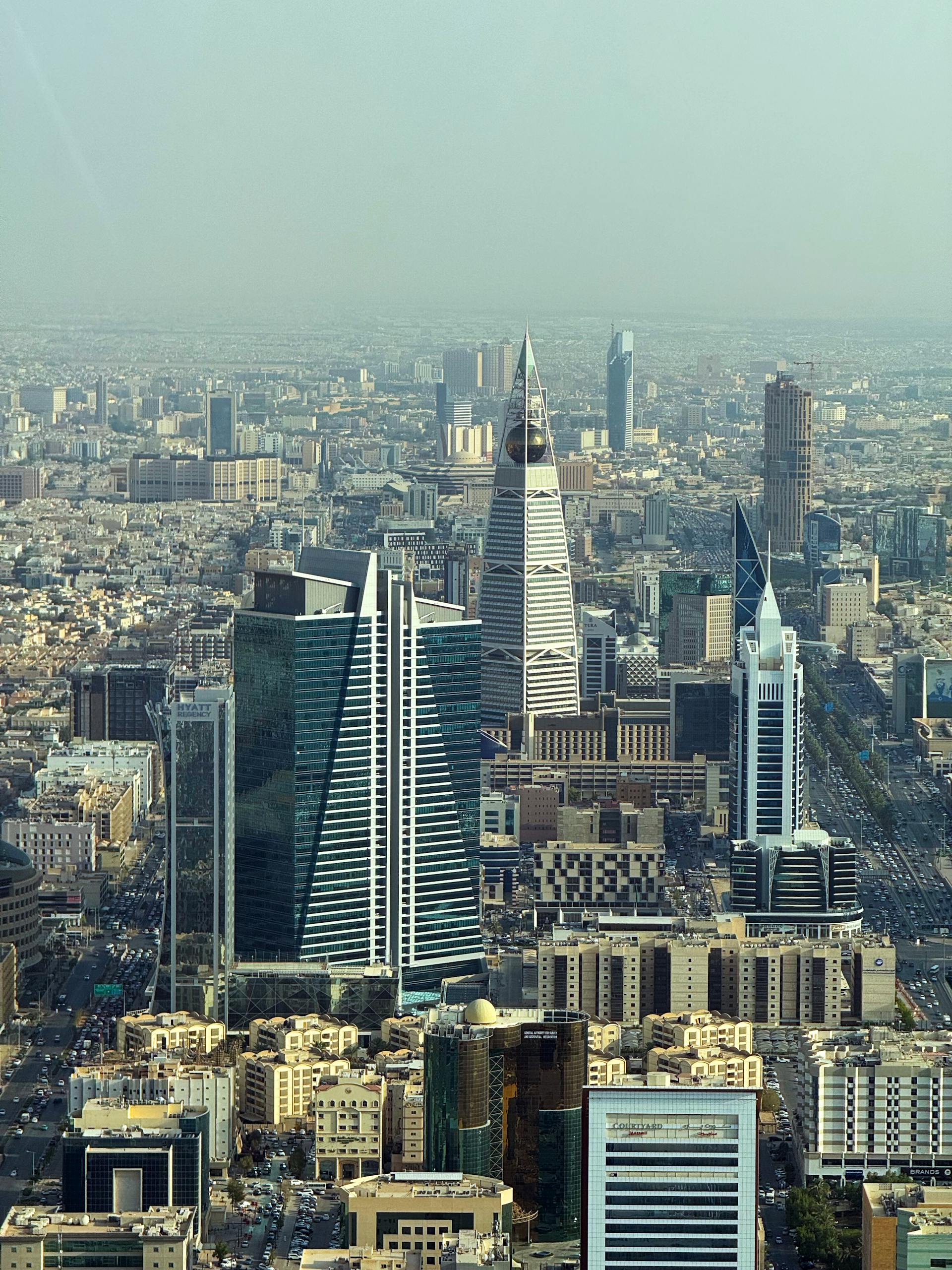
Moving to Riyadh from Abu Dhabi: Is it Worth it?
Abu Dhabi vs. Riyadh: Pros and Cons of Living in Both Cities
If you are an expat considering moving from Abu Dhabi to Riyadh, this article is for you.
As an expat in the Middle East, especially in the Gulf, you might have noticed how common it is for people to move between cities.
One year you’re in Dubai, the next you’re in Doha, and suddenly you’re packing for Riyadh. As strange as it sounds, I’ve gone through this exact journey myself!
My husband and I spent a year in the coastal city of Abu Dhabi before we decided to move to Riyadh.
Since I’ve lived in both Gulf cities, I’m going to share the pros and cons of living in Abu Dhabi vs. Riyadh and what you should consider before moving to either city.
Benefits of Moving to Riyadh From Abu Dhabi
Moving from the UAE to Saudi Arabia is a huge transformation for many expats. Different people may have different experiences depending on their lifestyle preferences.
For my husband and I, we love living in Riyadh for several reasons:
Cost Of Living
The cost of living in Riyadh is noticeably cheaper than in Abu Dhabi. This is especially true for rental costs and the cost of dining out.
For instance, in Abu Dhabi, you may pay around 50K AED per year minimum for a decent 2-bedroom apartment. But in Riyadh, you can get a decent 3-bedroom apartment for around 40K SAR per year.
As for food and dining out, I noticed a huge price difference in coffee in Saudi Arabia vs. Abu Dhabi. The price of a cappuccino is less than 20 SAR here, meanwhile, the price of a cappuccino will be above 20 AED in the UAE.
Deeper Cultural Experience
Between Abu Dhabi and Riyadh, you will feel cultural and social differences. Riyadh feels much more “local” in the sense that the majority of the population are Saudis.
Meanwhile, in Abu Dhabi, you live in a global bubble. The local Emirati population in the UAE is smaller than the majority expat population. However, Abu Dhabi is quite unique, as in certain neighborhoods you will see a lot of Emiratis.
Family-Friendly City
Both Abu Dhabi and Riyadh are kid-friendly cities. But from what I’ve noticed, Riyadh is truly built for families in many aspects.
There are endless indoor playgrounds here to entertain kids, especially during the summer when nobody goes outside.

Entertainment in Riyadh
Riyadh has also started to offer a lot of indoor entertainment (for summer) and massive outdoor entertainment (during winter), such as BLVD World.
Riyadh has also started to open up for tourism and recently held the MDLBEAST Music Festival with a huge lineup, featuring celebrities like Cardi B, DJ Snake, Calvin Harris and many more.
Privacy & Gender-Segregated Social Spaces
In Riyadh, there are many restaurants that have separate family sections that are secluded, giving you total privacy if you want to eat freely with your family.
There are also a lot of gender-segregated spaces in Saudi, which gives women total privacy and freedom to dress however they want without the presence of men.
For instance, gender-segregated gyms are a huge thing in Saudi Arabia. It is very rare to find a mixed-gender gym except in the diplomatic areas or in compound neighborhoods usually filled with Western expats.
High Safety & Low Crime Rate
One thing that really gives you peace of mind in Riyadh is just how safe it is. Whether you’re walking to your car late at night or exploring a new neighborhood, there’s a general sense of security that’s hard to beat.
The crime rate is incredibly low, and as an expat woman, I’ve always felt respected and secure. It’s the kind of place where you don’t have to constantly look over your shoulder, which makes settling in so much easier.
Massive Spaces and Grand Buildings
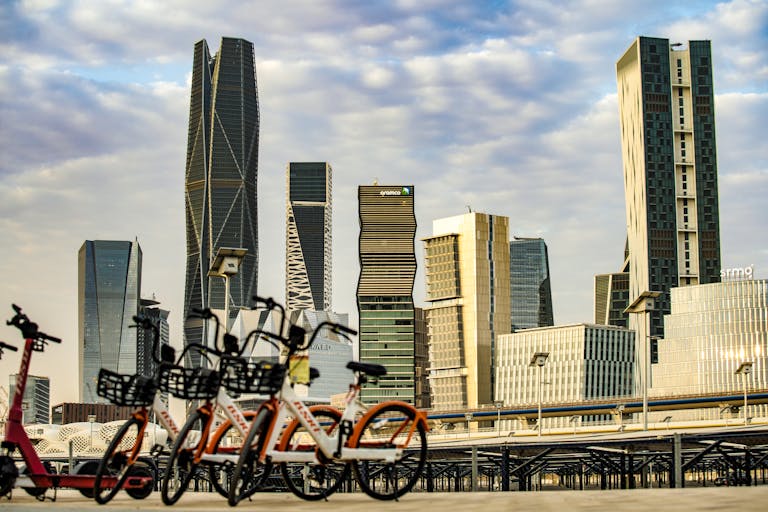
If you’re used to the slightly more compact buildings in Abu Dhabi, the sheer scale of Riyadh will blow you away. Because there is so much land here, everything is built big.
It isn’t just the restaurants, which often look like grand palaces with soaring ceilings, but almost all public establishments.

When you go to a gym, a spa, or a salon in Riyadh, you aren’t tucked into a small corner of a high-rise. You’re usually in a massive, standalone building with tons of room to breathe.
The local gyms and spas feel incredibly luxurious because of all that extra square footage. It makes every appointment or meal feel way more premium and less crowded than what you might be used to in the UAE.
Dry Climate & Low Humidity
The biggest difference between the weather in Riyadh and Abu Dhabi is the humidity level.
In Riyadh specifically, the humidity level is often below 20%, which is super low. Meanwhile, the humidity level in Abu Dhabi is often above 60%, even during the winter season.
If you’re wondering how humidity levels affect our daily life, the lower humidity in Riyadh has many benefits:
- You will rarely break a sweat in the drier weather.
- You can easily hang your clothes inside your house, or even in a room with no window open, and they can still dry after 2-3 hours.
In Abu Dhabi, since the humidity is very high (especially since it is a coastal city), summer is very tough. It’s not just hot, you will feel like you are stepping into a steam room. Your glasses immediately get foggy, and you will immediately sweat. If you’re new to Abu Dhabi’s summer, you might feel like it’s hard to breathe in the beginning due to the high levels of humidity.
Cons of Moving to Riyadh From Abu Dhabi
Moving to Riyadh definitely has its pros and cons. This article wouldn’t be complete if I didn’t share the challenges or things you may have to sacrifice when you are on an adventure of living abroad.
Beaches vs Desert Life
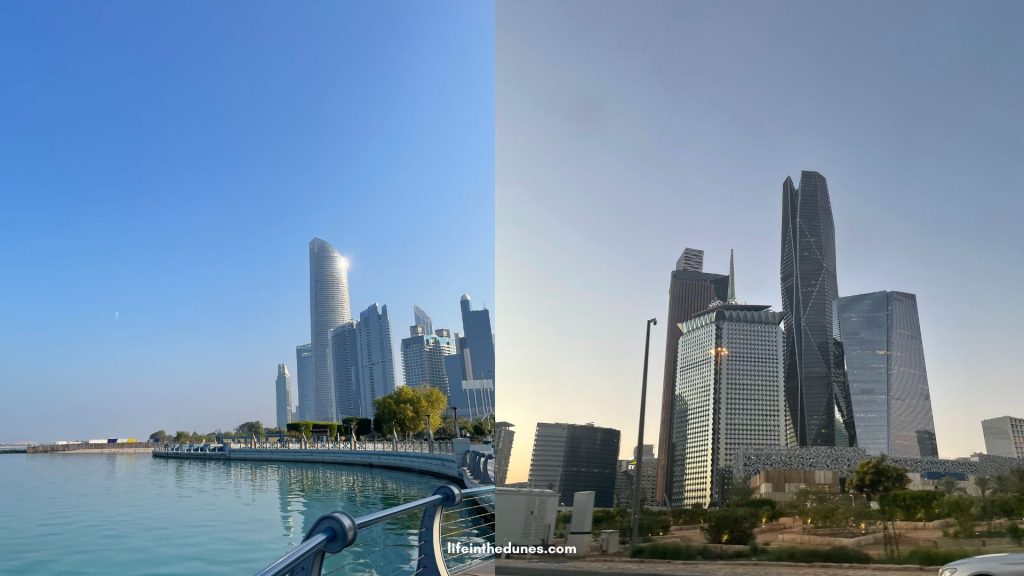
The difference between Riyadh and Abu Dhabi is the nature.
Abu Dhabi is a city surrounded by small islands. Everywhere you go, you will see trees, and if you live close to the corniche area, you will see a shade of blue sea water, which is so beautiful! Abu Dhabi still has desert areas, especially close to the airport, but the vibe is coastal.
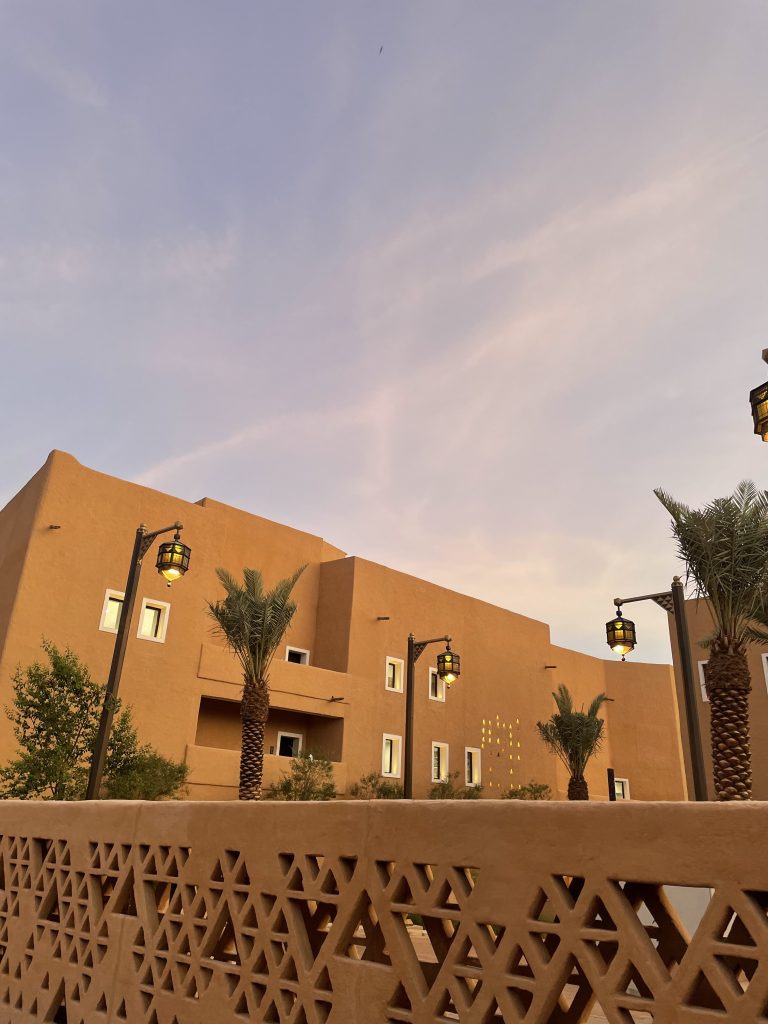
Riyadh, however, is a city in the desert. There is no coast or beach around. You will be surrounded by desert. Because of that, Riyadh is very dusty and sandy. It can be challenging if you come from a tropical country surrounded by greenery (that’s me), but after a while, you will get used to it.
Language Barriers
While English is widely spoken in big cities like Riyadh, Arabic is still the primary language. It can be a bit of a hassle if you don’t speak it, especially when you’re trying to bargain at a traditional market (souq) or on any occasion where you have to speak with non-English speakers.
My husband is an Arabic speaker, so I find it easier when going out with him as he does all the talking. But when I go out alone, or when I socialize with locals, I do wish I knew Arabic. So, I have started to learn bit by bit.
Driving in Riyadh & Traffic Conditions
Traffic in Riyadh is brutal. And if I can be frank here, you really need to consider carefully where you are staying, where your work is, and where your kid’s school is.
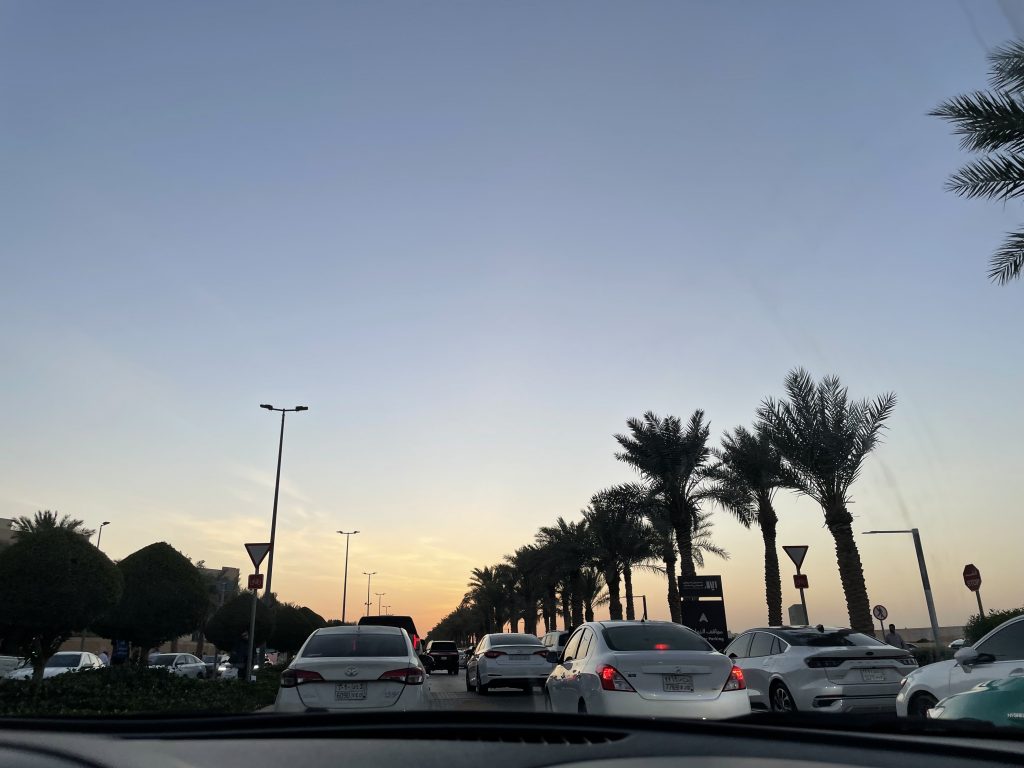
You may want to spend as little time commuting as you can. Having lived in Riyadh for a year, this is what I find challenging when it comes to the traffic:
- The roads are often bumpy, and from what I heard, this is due to the extreme heat during summer. If you have severe motion sickness, you may want to come up with a plan to make it bearable. I personally just avoid looking at my phone while being in the car.
- The driving style is very different from what you’re used to, so you might need to adapt in order to stay safe on the road. Some expats find it stressful to drive and opt for hiring drivers instead.
- The traffic is often congested at most hours. You only get smooth traffic on weekend mornings as nobody really goes outside during this time except expats or tourists. The commuting time by car is usually a minimum of 15-25 minutes with light traffic for a 19km distance, but can go up to 45 minutes when there is a traffic jam.
Not a Walkable City
Abu Dhabi’s Corniche is a dream for pedestrians. Riyadh, however, is a very car-centric city. Unless you live in a specific compound, you can’t really walk to the shops next to you.
But the good thing is they have started to build many newer apartments closer to groceries, restaurants, and gyms.
I’m guessing in a few years you would be able to choose a much more pedestrian-friendly neighborhood in Riyadh.
But for now, the most pedestrian-friendly neighborhoods in Riyadh are often inside compound areas.
Alcohol is Banned
Unlike the UAE, alcohol is strictly prohibited in Saudi Arabia. For many expats, this is the biggest lifestyle adjustment to prepare for.
In the UAE, alcohol is permitted in certain Emirates, though different Emirates have different laws regarding alcohol.
In Riyadh, or any part of Saudi Arabia, alcohol isn’t permitted for the public. However, the law is a bit different for diplomats.
Customer Service Standards
From my experience, customer service in the UAE is often world-class.
In Riyadh, it can be a bit hit-or-miss and sometimes feels subpar compared to the polished experience in Abu Dhabi.
Summer Slump
Unless it’s “Riyadh Season” or winter, things can get a bit quiet during summer. In the peak summer heat, everyone mostly stays indoors, and the city feels a bit empty during the day and much more alive at night.
During peak summer (July-August), many locals and expats fly out of the country to escape the heat.
But if you prefer to travel domestically, this is a perfect time to explore other regions in Saudi Arabia such as Al Baha. The scenery is totally different than Riyadh as it is filled with trees and located on top of the hills.
Moving From Abu Dhabi to Riyadh Cost (2026)
When planning to move to Abu Dhabi or Riyadh, the cost of living can be a major deciding factor for expats.
Average Rent Price in Riyadh vs Abu Dhabi
In Abu Dhabi, a nice 2-bedroom villa or high-end apartment will easily set you back 50,000 – 65,000 AED (and often way more).
In Riyadh, you can find a lovely 2-bedroom apartment in a good neighborhood for around 35,000 – 45,000 SAR.
Taxes in Riyadh vs Taxes in Abu Dhabi
While both countries have no income tax, the VAT is a big difference.
- UAE: 5% VAT
- Saudi Arabia: 15% VAT
That extra 10% adds up quickly on groceries, electronics, and shopping. So while your rent is cheaper, your daily expenses might feel a bit more expensive.
Quality of Life in Riyadh vs Abu Dhabi
Having lived in both cities for the same duration, I would say the quality of life I desire is cheaper in Riyadh than in Abu Dhabi. However, it’s important to note that your lifestyle preferences also play an important role in deciding the quality of life you want.
How to Move from Abu Dhabi to Riyadh
If you are thinking about how to move all your things from Abu Dhabi to Riyadh, the answer is by using a mover company. Don’t try to ship things on your own. I find it easier to just hire a mover.
There are a lot of professional moving companies that specialize in GCC relocations. They will handle the wrapping, the heavy lifting, and most importantly, the customs paperwork at the border. When you hire a mover, it gives you peace of mind as they are much more familiar with the process than you.
Pro Tip: If you are shipping your things to Riyadh, you’ll need a delivery address. If you haven’t picked a house yet, many people use a friend’s address or arrange for their compound’s storage facility to hold the items.
Best Areas to Live in Riyadh
When choosing a neighborhood to live in Riyadh, the number one piece of advice any seasoned expat would give you is to live near your life.
You want your home to be within 20 minutes of your office or your kid’s school. A 20-minute drive on Google Maps can easily turn into an hour-long nightmare during peak traffic.
Living in Riyadh as an expat means you have two options: you either choose compound living or non-compound living.
What is compound living in Riyadh?
Compounds are gated neighborhoods, often targeting Western expat communities from different countries. You’ll pay a higher price compared to non-compound living (often SAR 150,000 – 350,000).
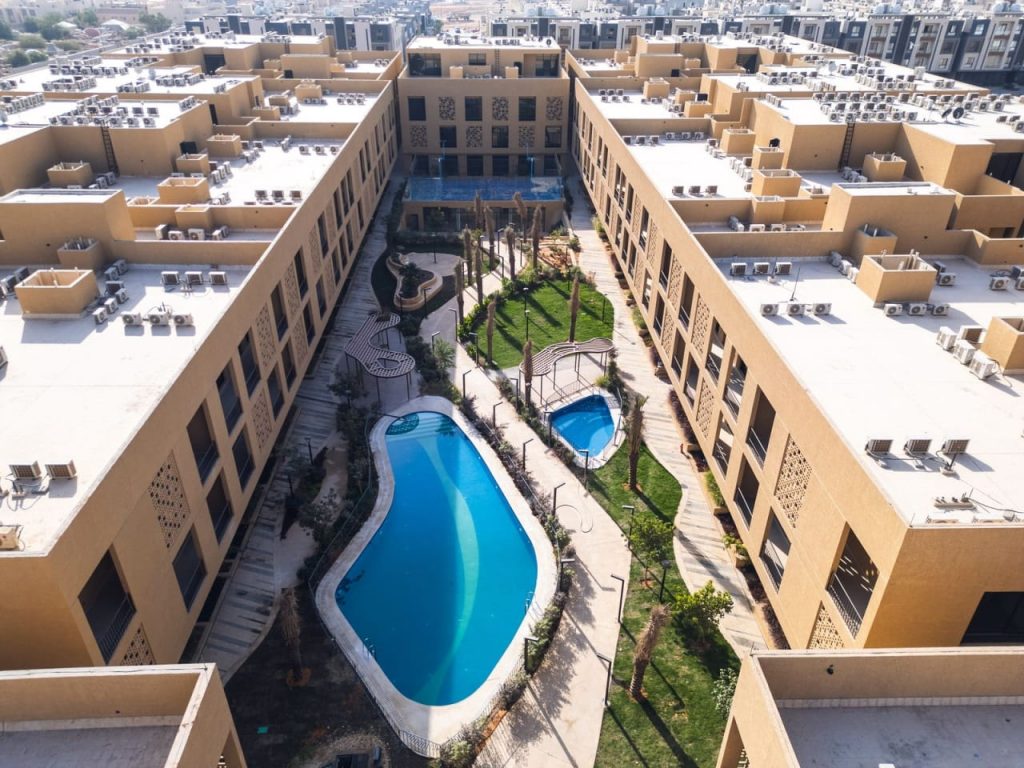
But the benefits are huge. You will have an almost Western-style lifestyle within the compounds, including gyms, pools, and a community of other expats. You can dress more freely inside, your kids can bike around safely, and you can walk your dogs freely.
Although, according to subreddits I found, some compounds are now dominated by Arabs and Muslims, and the dress code (such as bikini lounging by the pool) can be a bit restrictive. The best way to really know the vibe of the compound you want to live in is to visit them yourself and ask expats who live there.
What is non-compound living in Riyadh?
While some expats prefer to live inside a compound, there are also a huge number of expats (often non-Western expats) who choose to live outside compound areas.
The cost of a villa or apartment outside a compound is much cheaper. But you don’t get the same benefits of living in a gated neighborhood with other expats. If you choose to live outside a compound, you most likely will be neighbors with locals or long-term residents of Saudi Arabia.
Of course, different expats come with different income brackets, and this could also be a deciding factor in choosing where to live when you move to Riyadh.
Conclusion: Which City is Better?
So, is it worth moving from Abu Dhabi to Riyadh? Honestly, it really depends on your lifestyle preferences and your income range.
If you’re looking to save money, experience a rich new culture, and you’re okay with trading the beach for the desert, then yes.
Riyadh is an exciting, fast-growing city that offers a unique lifestyle you won’t find anywhere else.
But if you can’t live without your morning walk by the sea or a weekend glass of wine, you might find the adjustment a bit tough especially if you are a new expat in the GCC.
For me personally, the move was worth it as we experience better quality of life with half the cost.